
Triplarina imbricata
Triplarina imbricata
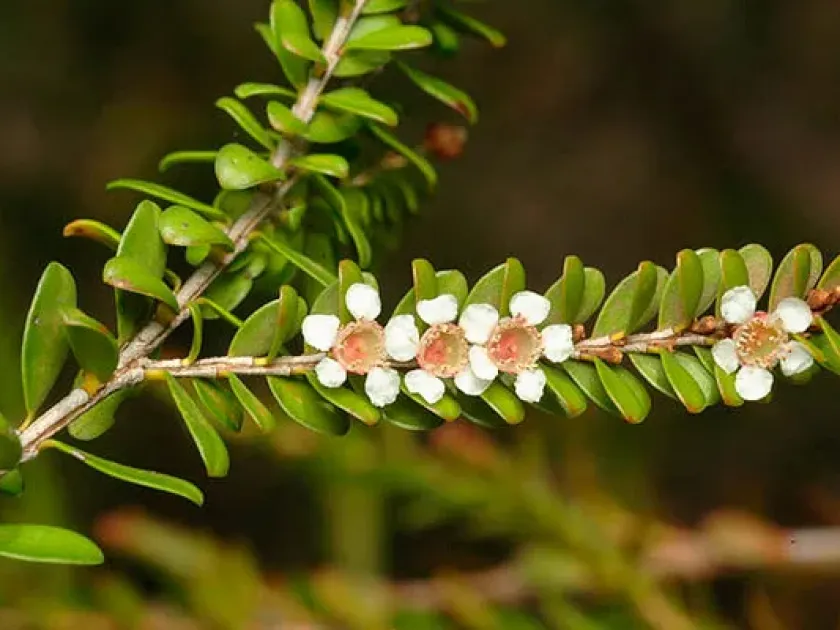
Description
Growing requirements
Triplarina imbricata is an evergreen shrub that belongs to the Myrtaceae family. Native to Australia, this plant is well-adapted to specific sandy and rocky environments, making it a unique addition to specialized garden landscapes that mimic its natural habitat.
Botanically, the plant is known for its small, imbricated leaves that overlap like shingles, which gives the species its descriptive name. It produces delicate white or creamy flowers, typical of the myrtle family, adding aesthetic value to its dense and structured foliage.
The cultural requirements for this plant focus heavily on soil drainage. It thrives in well-drained, acidic to neutral soil types and is highly susceptible to root rot if water is allowed to pool. Providing a porous growing medium is essential for long-term survival.
Regarding climate, Triplarina imbricata requires a temperate to warm environment with significant sun exposure. While it is hardy in its native range, it requires protection from severe frost and wind exposure in non-native climates, often necessitating container cultivation in cooler regions.
The primary use for this species is ornamental landscaping. It is highly valued for creating low-maintenance hedges and structured garden designs due to its ability to be pruned and shaped without losing its natural elegance or health.
Main diseases and pests
The most significant threats to Triplarina imbricata health are fungal infections associated with improper moisture management. Phytophthora and other root pathogens can cause sudden decline if the soil remains saturated for extended periods, especially during humid seasons.
Pests such as spider mites and scale insects represent the most common biological threats. These pests often target the plant when it is stressed by drought or poor air circulation, necessitating frequent inspections of the foliage to ensure early detection and management.
Integrated Pest Management (IPM) is recommended for this species. This includes biological controls and careful application of horticultural oils, which are generally safer for the sensitive foliage compared to harsh synthetic pesticides that may cause leaf burn.
Nutrient deficiency, specifically related to iron or manganese availability, can occur if the soil pH shifts away from the plant's ideal range. This can lead to chlorosis, necessitating the use of chelated micronutrient supplements applied to the soil or as a foliar spray.
Proper pruning is a vital cultural practice that acts as a preventative measure against disease. By thinning the canopy regularly, gardeners can improve airflow, which significantly reduces the micro-environmental humidity levels that fungi require to thrive.