
Triplarina nowraensis
Triplarina nowraensis
Description
Growing requirements
Triplarina nowraensis is a rare shrub belonging to the Myrtaceae family. It is an endemic species native to a very specific, limited geographic area near Nowra, New South Wales, Australia.
Botanically, this species is adapted to thrive in harsh environments, typically found on rocky, sandstone-based soils. These soils are inherently low in nutrients but offer the excellent drainage that the plant requires for long-term survival.
Environmental requirements include a high exposure to direct sunlight and well-ventilated conditions. The shrub is highly sensitive to waterlogging, as its roots are specialized for shallow, acidic substrates where oxygen exchange is constant.
Since the species is classified as endangered, it is not cultivated for agricultural or commercial purposes. Conservation efforts focus on in-situ protection of its natural habitat rather than development of standardized agronomic protocols.
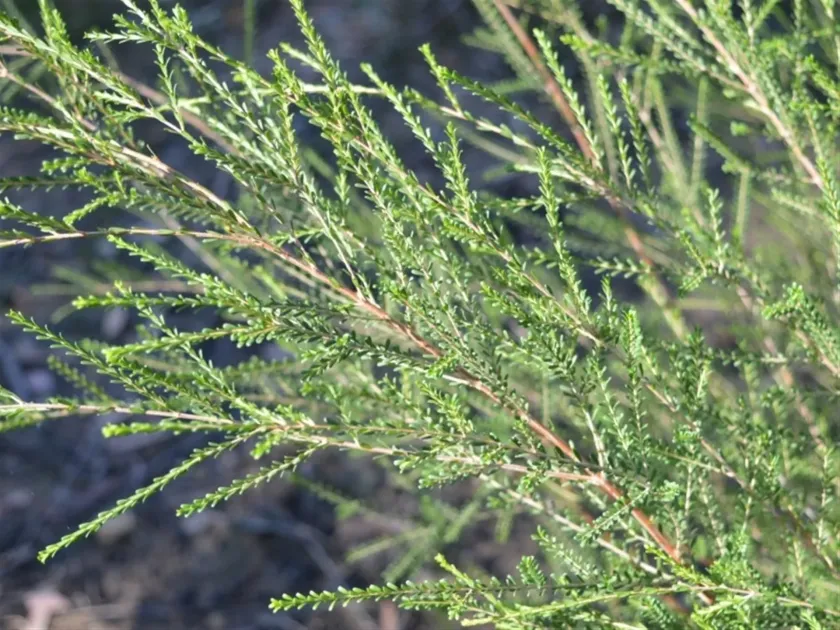
The plant exhibits morphological adaptations such as small, sclerophyllous leaves that help minimize water loss, allowing it to withstand seasonal droughts typical of its native Australian range.
Main diseases and pests
The primary threat to the persistence of Triplarina nowraensis is habitat loss due to land development and residential expansion near its restricted native range.
Disease pressure, including potential fungal pathogens that affect native Australian Myrtaceae, poses a recurring risk, especially when climate patterns become unusually wet or humid.
Competition from aggressive, non-native weed species poses a constant threat by overshadowing young seedlings and consuming the limited nutrients available in the rocky substrate.
Altered fire regimes significantly impact the natural regeneration process of the species, as irregular or too frequent burning can exhaust the soil seed bank.
Pest outbreaks involving indigenous insects can occasionally damage the reproductive parts of the shrub, thereby limiting the success of annual seeding cycles in unstable areas.