
Silky Tea Tree
Leptospermum sericeum Labill.
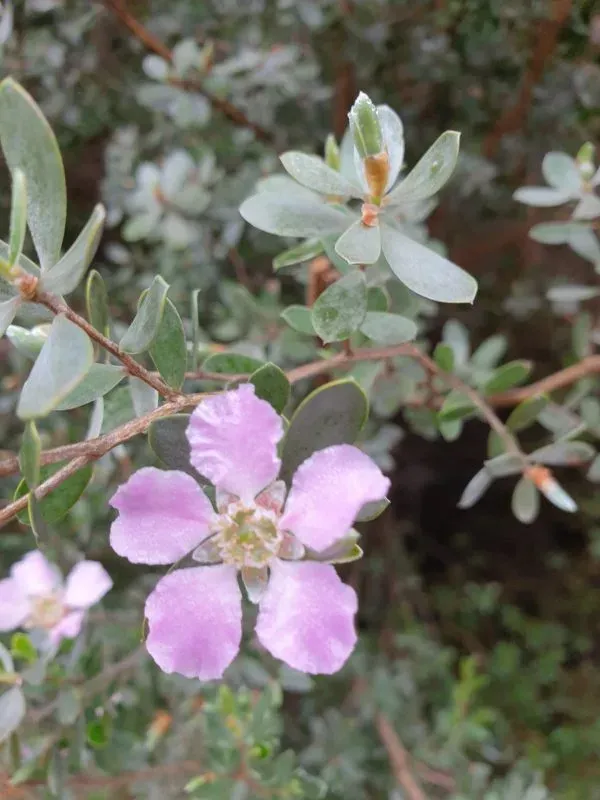
Description
Growing requirements
The Silky Tea Tree (Leptospermum sericeum Labill.) is a member of the Myrtaceae family native to the coastal regions of Western Australia. This species is highly regarded for its distinctive silky-hairy foliage, which provides a unique texture in ornamental landscapes.
Cultivation requires full sun and exceptionally well-drained soil. As a coastal species, it has evolved to tolerate windy conditions and sandy substrates, but it remains intolerant of waterlogged soil conditions which often lead to rapid root decline.
In terms of climatic adaptation, this plant prefers moderate temperatures and is sensitive to heavy frost. Protection during winter months is essential in non-native growing environments to maintain the structural integrity of the shrub.
Agronomic management involves minimal fertilization, as native Australian species are often adapted to low-phosphorus soils. Over-fertilization can actually be detrimental to the plant's health and longevity in a garden setting.
The primary use of the Silky Tea Tree is in xeriscaping and coastal garden design, where its resilience to dry spells and aesthetic appeal make it a preferred choice for sustainable landscaping projects.
Main diseases and pests
Root rot caused by Phytophthora species represents the most significant threat to the Silky Tea Tree. This pathogen thrives in moist, poorly aerated soil, highlighting the critical importance of drainage management for this crop.
Insect pests, including aphids and various scale insects, can infest the foliage, particularly during the active growth phases in spring. Monitoring and early intervention are crucial to prevent the spread of these pests across the plantation.
Foliar fungal diseases may develop in areas with high humidity and stagnant air. Proper spacing between individual plants is a fundamental agronomic practice that ensures adequate airflow and reduces moisture retention on the leaves.
Nutritional imbalances, specifically chlorosis, can occur if the soil pH is not maintained within the optimal slightly acidic range. Regular soil testing helps in adjusting nutrient availability before visible symptoms appear.
To maintain plant vigor, regular structural pruning is recommended after the flowering period. This practice not only improves the plant's shape but also allows for better air circulation and sunlight penetration into the center of the shrub.