
Hybrids of Leptospermum spectabile and Leptospermum scoparium
Hybrids between Leptospermum spectabile and Leptospermum scoparium
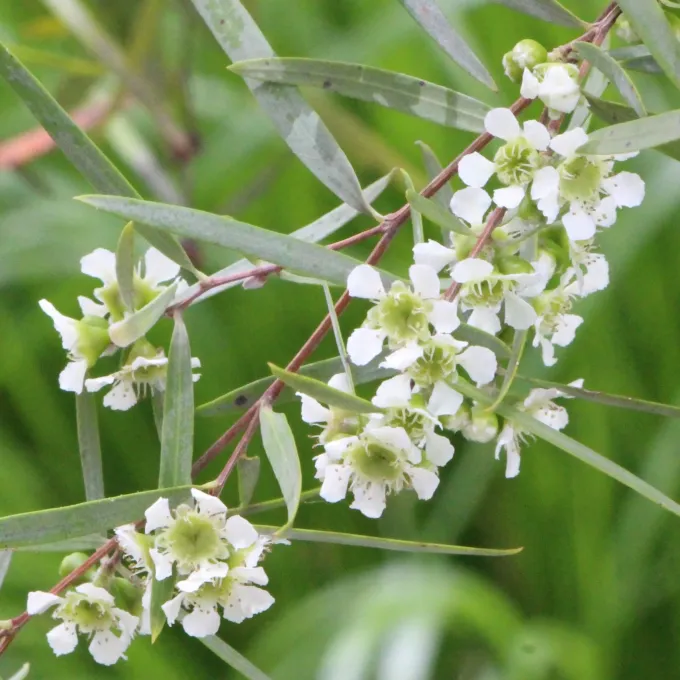
Description
Growing requirements
Hybrids derived from Leptospermum spectabile and Leptospermum scoparium belong to the Myrtaceae family. These ornamental evergreen shrubs are highly valued for their dense foliage and vibrant floral displays, which are major attractions in garden landscaping.
Native to the diverse landscapes of Australia and New Zealand, these hybrids have been developed to combine aesthetic appeal with improved resilience. They are widely used as specimen plants or as part of mixed shrub borders in suitable climates.
Success in cultivation requires a sunny position and soil that provides excellent drainage. These plants thrive in slightly acidic soils; however, it is critical to avoid soils rich in phosphorus, as the plant species in this group are sensitive to high levels of this nutrient.
Climate requirements include protection from frost. While some varieties show moderate hardiness, they are generally best suited for mild, Mediterranean-style climates or as container plants that can be brought indoors during the winter months.
Agrotechnical maintenance focuses on consistent irrigation during the growth phase. It is essential to ensure that the potting medium or soil remains moist but never waterlogged to prevent the onset of root-related complications.
Main diseases and pests
The most significant threat to these hybrids is Phytophthora root rot. This fungal pathogen thrives in waterlogged conditions and can quickly lead to the death of the shrub if drainage is inadequate.
Common pests include spider mites and mealybugs, which are particularly problematic in greenhouse environments or during hot, dry spells. Regular inspection is necessary to manage these infestations early.
Nutritional deficiencies, specifically chlorosis, can occur if the soil pH becomes too alkaline. Using specialized fertilizers for ericaceous or Proteaceae-related plants is recommended to maintain optimal foliage health.
Sanitation practices, such as removing dead or dying branches, help maintain good airflow through the plant canopy, which significantly reduces the risk of fungal leaf spots.
In cases of severe infestation or disease, application of systemic treatments is recommended, provided they are applied according to the specific sensitivity of Myrtaceae species to certain chemicals.