
Leptospermum macrocarpum
Leptospermum macrocarpum (Maiden & Betche) Joy Thomps.
Description
Growing requirements
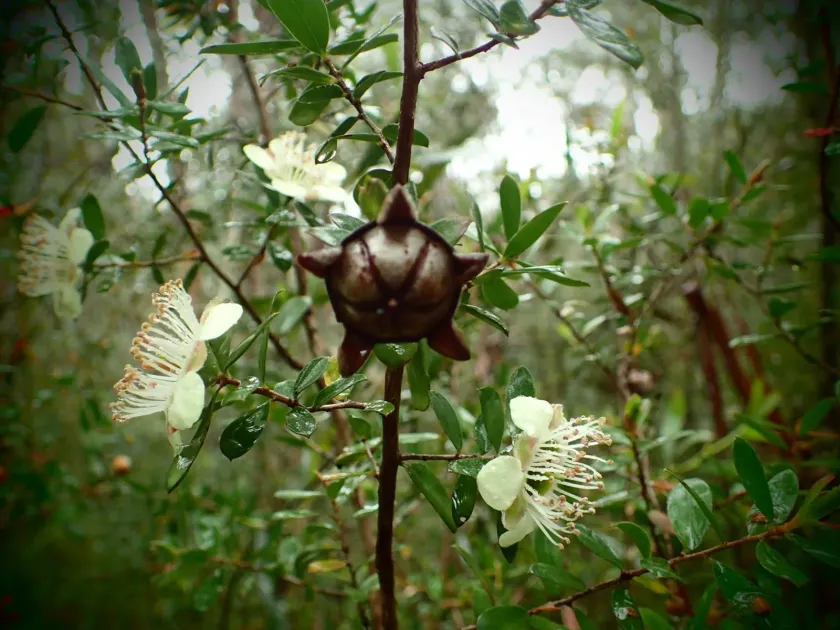
Leptospermum macrocarpum, commonly known as the large-fruited teatree, is a species of shrub belonging to the Myrtaceae family. It is native to specific sandstone regions in New South Wales, Australia, and is distinguished by its remarkably large, showy flowers.
This shrub requires well-draining, acidic, and sandy soils to thrive. In its natural environment, it grows on rocky slopes, so it is imperative to ensure that the root system does not remain waterlogged, as it is highly susceptible to root rot in poorly aerated conditions.
As a sun-loving plant, it performs best in full exposure to sunlight. While it can tolerate mild frost, it is not hardy in severe cold climates, making container gardening a popular choice in regions with harsh winters, where the plant can be moved to a protected location.
Agricultural management involves pruning the plant immediately after the flowering season. This practice encourages a more compact growth habit and improves the production of flower buds for the following year. Light application of low-phosphorus fertilizers is recommended for optimal health.
The primary use of Leptospermum macrocarpum is in ornamental horticulture. Its unique aesthetic qualities make it a sought-after plant for Mediterranean-style gardens, while its branches are frequently used in high-end floral design for their long-lasting vase life.
Main diseases and pests
The main threats to the plant include various fungal pathogens that thrive in humid and poorly ventilated conditions. Phytophthora root rot is particularly destructive and often fatal if irrigation is not carefully managed to prevent excessive soil moisture.
Pests like mealybugs and spider mites are frequent invaders, especially when the plant is kept in greenhouse conditions or indoor environments. Regular inspections of the foliage and the use of insecticidal soap or systemic treatments are effective methods for pest control.
Nutrient deficiencies, particularly regarding trace elements, can lead to chlorosis. Maintaining the correct pH balance of the substrate is critical, as Leptospermum species are sensitive to the nutrient uptake interference caused by alkaline soil conditions.
To prevent disease outbreaks, it is crucial to ensure adequate airflow between plants. Drip irrigation is preferred over overhead watering to keep the foliage dry, which significantly reduces the risk of fungal infections such as powdery mildew.
Sanitation practices, including the sterilization of pruning tools and the immediate removal of infected plant material, are essential to maintain the long-term vitality of the shrub. Early detection of stress symptoms allows for quick corrective measures.