
Lemon-scented tea tree
Leptospermum liversidgei R. T. Baker & H. G. Sm.
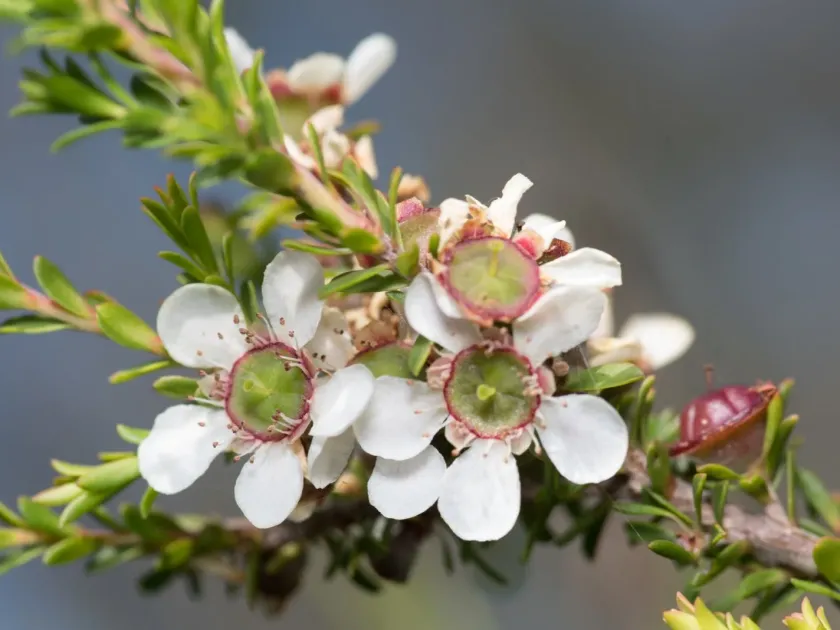
Description
Growing requirements
Leptospermum liversidgei, commonly known as the lemon-scented tea tree, is a species in the Myrtaceae family native to the coastal regions of New South Wales and Queensland, Australia.
It thrives in sandy, acidic soils and is naturally adapted to moist environments. In a cultivation setting, it requires full sun exposure and protection from harsh frost, as it is native to subtropical to temperate climates.
Agronomic management requires low-phosphorus fertilization, as the species is sensitive to high levels of this nutrient. Soil structure must provide excellent drainage to prevent the development of root pathogens.
The irrigation strategy should focus on maintaining consistent soil moisture without saturation. Proper spacing between rows is essential for good air circulation, which reduces the incidence of fungal diseases.
Pruning is a mandatory agronomic practice. Regular trimming of the branches not only keeps the shrubs at a manageable size for harvesting but also induces dense branching, which increases the overall leaf biomass yield.
Yield
This crop is primarily cultivated for its essential oil, which is rich in citral. The oil is highly valued in the natural cosmetics and perfumery industries for its fresh, lemony scent and antimicrobial properties.
Harvesting is typically done through mechanized mechanical harvesting of the foliage. The timing of the harvest is critical to ensure the highest concentration of essential oils in the plant tissue.
Main diseases and pests
The most significant threat to Leptospermum liversidgei is root rot caused by Phytophthora species, usually triggered by waterlogged conditions. Strict drainage control is the primary defense method.
Insect pests, including scale insects and spider mites, can occur in poorly ventilated plantings. Integrated Pest Management (IPM) practices, including the use of biological controls, are highly recommended to preserve the quality of the essential oil.