
Leptospermum spectabile
Leptospermum spectabile Joy Thomps.
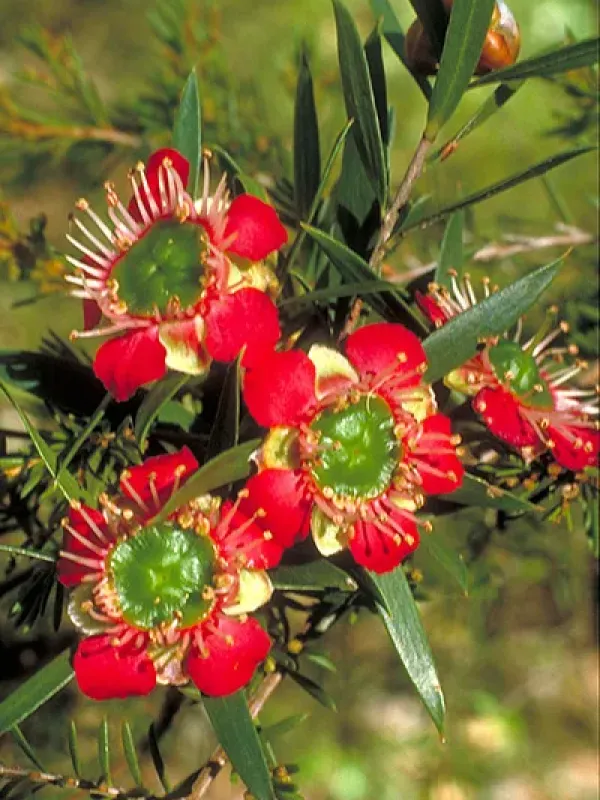
Description
Growing requirements
Leptospermum spectabile is an evergreen shrub belonging to the Myrtaceae family. Native to Australia, this plant is known for its narrow natural distribution and unique botanical characteristics that require precise environmental conditions for optimal growth.
The cultivation of this species requires a climate that avoids extreme temperature fluctuations. It thrives in locations with high sunlight exposure, which is essential for stimulating bud formation and ensuring a vibrant flowering display during the season.
The soil profile must be characterized by excellent drainage properties. Leptospermum spectabile is highly adapted to sandy, nutrient-poor, and slightly acidic soils; heavy clay soils that retain moisture are generally unsuitable for this crop.
Water management is a critical agronomic factor. While the plant requires consistent moisture during its active growth phase, it is highly intolerant of waterlogged soil conditions, which can lead to rapid root decline.
Fertilization should be handled with caution. Being a member of the Myrtaceae family, it has a low tolerance for high phosphorus concentrations. Specialized fertilizers with low phosphorus content should be used to avoid toxicity.
Main diseases and pests
The primary threat to the health of Leptospermum spectabile is root rot caused by Phytophthora species. This pathogen is particularly active in poorly drained soil, making soil structure management the most important preventive measure.
Scale insects are common pests that feed on the sap of the shrub. They can cause stunted growth and yellowing of the foliage, and their sugary excretions promote the growth of sooty mold, which impairs photosynthesis.
Mealybugs are another persistent pest that often settles in the axils of the branches. Their presence is identified by white, cotton-like masses, requiring prompt application of horticultural oils or systemic insecticides.
In humid or stagnant air environments, fungal leaf spots can occur. This condition is usually mitigated by pruning the interior of the shrub to improve airflow and by ensuring the foliage remains dry during the evening hours.
Integrated Pest Management (IPM) strategies are highly recommended to keep the plants healthy. Regular monitoring for early signs of infestation allows for targeted interventions, minimizing the need for heavy chemical usage.