
Round-leaf teatree
Leptospermum rotundifolium (Maiden & Betche) F. A. Rodway ex Cheel
Description
Growing requirements
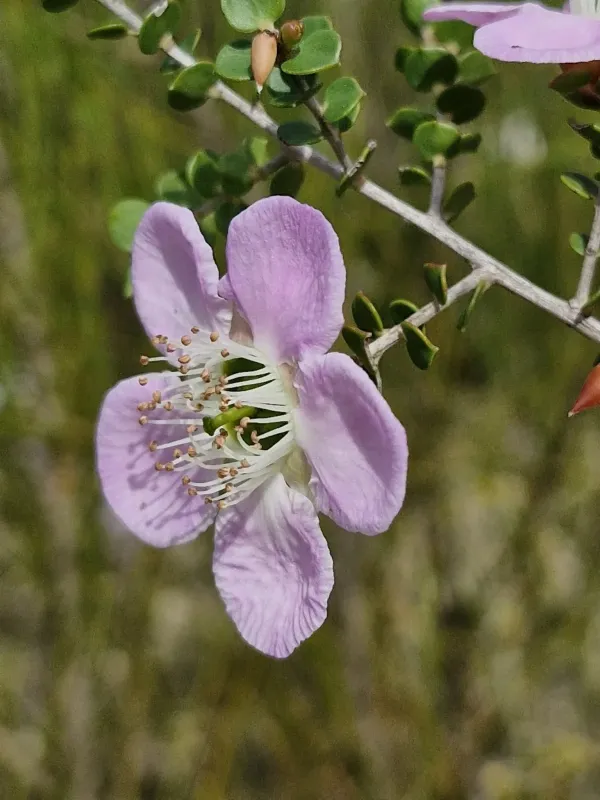
Leptospermum rotundifolium, commonly known as the round-leaf teatree, is an attractive evergreen shrub belonging to the Myrtaceae family. Native to the coastal regions of New South Wales in Australia, it has gained recognition as an ornamental plant due to its unique leaf structure and floral display.
In terms of cultivation, this species thrives in well-drained, sandy, and slightly acidic soils. The presence of adequate drainage is paramount, as waterlogging is the primary cause of plant failure, leading to root rot and rapid decline of the specimen.
The plant is highly heliophilic and requires full sun exposure to flourish. While it is hardy in its native habitat, in colder climates, it must be grown in containers and protected from frost, as it cannot tolerate prolonged sub-zero temperatures.
Agronomic maintenance includes watering with low-mineral water to avoid salt buildup. Nutrient management is delicate; specifically, the plant prefers low-phosphorus fertilizers, as species from this region have adapted to soils naturally poor in this element.
Proper air circulation is essential for the plant's health, particularly when kept in greenhouses or indoor environments. Good ventilation helps to maintain moderate humidity levels and prevents the development of fungal pathogens on the foliage.
Main diseases and pests
Root rot, often caused by Phytophthora fungi, represents the most significant threat to Leptospermum rotundifolium. This condition is almost always exacerbated by improper irrigation habits and inadequate soil aeration, emphasizing the importance of preventive care.
Spider mites are the most common pests, especially in hot and dry environments. They infest the undersides of leaves, and if left untreated, can lead to leaf yellowing and premature defoliation of the shrub.
Mealybugs are another frequent threat, often found clustering in leaf axils. These pests extract sap from the plant and secrete honeydew, which serves as a substrate for secondary infections, including various fungal moulds.
Scale insects can attach to the stems and branches, posing a risk to the plant's vitality. Regular inspection and localized treatment with systemic insecticides or horticultural oils are typically required to control such populations.
Fungal issues, such as leaf spot, may arise if the foliage stays damp for extended periods. Keeping the leaves dry and ensuring proper spacing between plants are fundamental cultural practices to minimize these risks.