
Leptospermum polygalifolium
Leptospermum polygalifolium Salisb.
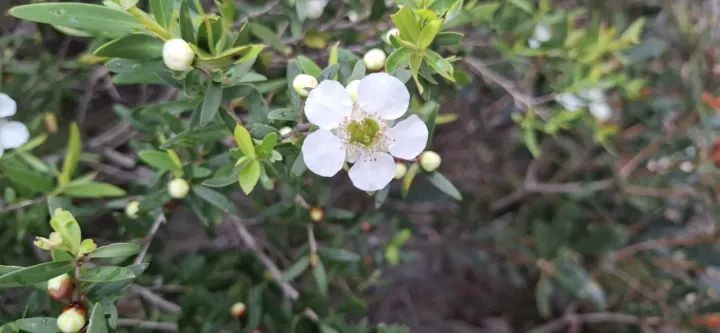
Description
Growing requirements
Leptospermum polygalifolium, commonly known as the tantoon or jelly bush, is a significant member of the Myrtaceae family native to eastern Australia. This evergreen shrub is highly valued for its dense foliage and prolific flowering habit.
Successful cultivation requires a location with full sun exposure to ensure optimal plant health and flower production. It thrives in temperate climates and needs protection from heavy frosts, which can damage the delicate branch tips and younger stems.
Soil requirements focus on excellent drainage; the species is native to sandy and rocky outcrops, meaning it struggles in heavy, waterlogged clay soils. Gardeners often amend local soils with grit or coarse sand to mimic its natural environment.
Water management is crucial during the establishment phase. Once mature, the plant shows reasonable drought tolerance, but regular irrigation is necessary during prolonged dry spells to maintain vigour and prevent premature wilting of the foliage.
Agricultural and commercial interest in this plant is largely driven by its value as a honey-producing crop. The nectar provides high-quality honey, and the aromatic leaves are increasingly investigated for their essential oil content used in cosmetics.
Main diseases and pests
The most significant threats to Leptospermum polygalifolium are fungal pathogens, particularly Phytophthora, which thrives in wet, poorly drained soil conditions. Maintaining proper soil structure and preventing saturation is the best defense strategy.
Pest pressures often involve sap-sucking insects like scale and mealybugs. Regular monitoring and the application of horticultural oils or targeted insecticides are standard practices to keep populations under control during the growing season.