
Coastal tea tree
Leptospermum laevigatum (Gaertn.) F. Muell.
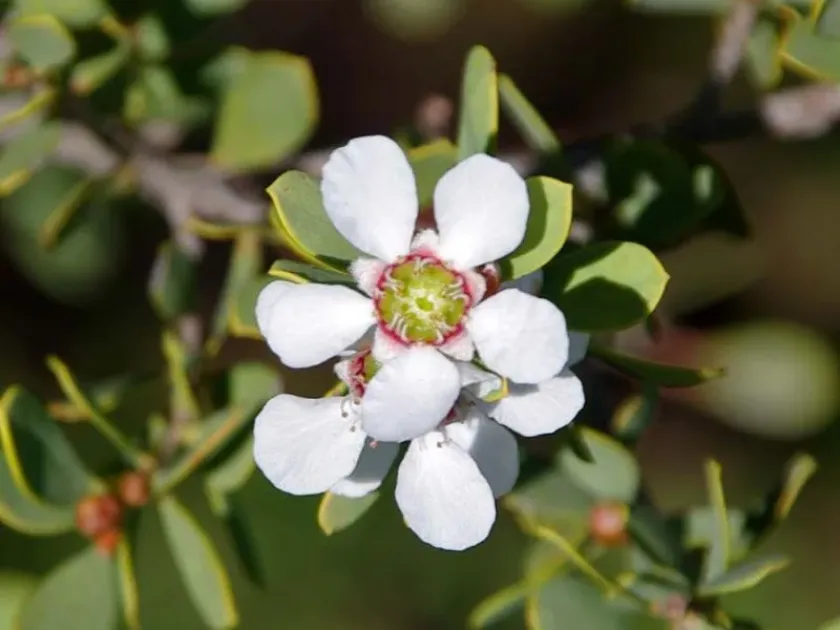
Description
Growing requirements
Leptospermum laevigatum, commonly known as the coastal tea tree, is a hardy evergreen shrub belonging to the Myrtaceae family, native to Australian coastal areas.
This species is highly valued in agriculture and environmental management for its ability to stabilize loose, sandy soils and sand dunes in harsh maritime conditions.
Cultivation requirements include full sun exposure and extremely well-draining soil, as the plant is evolved to thrive in nutrient-poor sandy substrates.
The plant demonstrates remarkable drought tolerance once established, making it a sustainable choice for landscapes where frequent irrigation is not feasible.
It prefers a mild climate, although it can withstand light frosts, provided the soil remains free of waterlogging during the colder months of the year.
Main diseases and pests
The most significant threat to the health of Leptospermum laevigatum is Phytophthora root rot, which is triggered primarily by poorly drained or waterlogged soils.
Plants often exhibit yellowing or sudden wilting if the root environment becomes saturated, indicating that irrigation management is critical for survival.
Pest issues are generally minimal, though scale insects may occasionally infest plants that are stressed by extreme drought or improper pruning practices.
Proper air circulation through the canopy is essential to prevent fungal outbreaks, especially in regions with high humidity during the flowering season.
Monitoring for signs of sap-sucking insects and maintaining a strict dry-soil regime are the primary components of an effective plant protection strategy.