
Eucalyptus
Eucalyptus
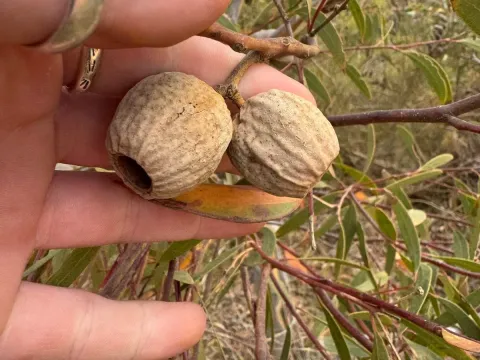
Eucalyptus (Eucalyptus) is a prominent genus of flowering trees in the Myrtaceae family. Native to Australia and surrounding islands, these trees have been introduced globally for their rapid growth and economic value.
What the section contains
 Eucalyptus guilfoylei
Eucalyptus guilfoylei
Eucalyptus guilfoylei
 Eucalyptus haemastoma
Eucalyptus haemastoma
Eucalyptus haemastoma
 Eucalyptus horistes
Eucalyptus hybrids
Eucalyptus hybrids
Eucalyptus horistes
Eucalyptus horistes
Eucalyptus hybrids
Eucalyptus hybrids
 Eucalyptus kirtoniana
Eucalyptus kirtoniana
Eucalyptus kirtoniana
 Eucalyptus kruseana
Eucalyptus kruseana
Eucalyptus kruseana
 Eucalyptus lacrimans
Eucalyptus lacrimans
Eucalyptus lacrimans
 Eucalyptus latens
Eucalyptus latens
Eucalyptus latens
 Eucalyptus longirostrata
Eucalyptus longirostrata
Eucalyptus longirostrata
 Eucalyptus macarthurii
Eucalyptus macarthurii
Eucalyptus macarthurii
 Eucalyptus magnificata
Eucalyptus magnificata
Eucalyptus magnificata
 Eucalyptus major
Eucalyptus major
Eucalyptus major
 Eucalyptus michaeliana
Eucalyptus michaeliana
Eucalyptus michaeliana
 Eucalyptus miniata
Eucalyptus miniata
Eucalyptus miniata
 Eucalyptus mitchelliana
Eucalyptus mitchelliana
Eucalyptus mitchelliana
 Eucalyptus moorei
Eucalyptus nebulosa
Eucalyptus nebulosa
Eucalyptus moorei
Eucalyptus moorei
Eucalyptus nebulosa
Eucalyptus nebulosa
 Eucalyptus nicholii
Eucalyptus nicholii
Eucalyptus nicholii
 Eucalyptus nutans
Eucalyptus nutans
Eucalyptus nutans
 Eucalyptus oleosa
Eucalyptus oleosa
Eucalyptus oleosa
 Eucalyptus perriniana
Eucalyptus perriniana
Eucalyptus perriniana
 Eucalyptus phoenicea
Eucalyptus phoenicea
Eucalyptus phoenicea
 Eucalyptus platyphylla
Eucalyptus platyphylla
Eucalyptus platyphylla
 Eucalyptus platypus
Eucalyptus platypus
Eucalyptus platypus
 Eucalyptus pleurocarpa
Eucalyptus pleurocarpa
Eucalyptus pleurocarpa
 Eucalyptus polyanthemos
Eucalyptus polyanthemos
Eucalyptus polyanthemos
 Eucalyptus populnea
Eucalyptus populnea
Eucalyptus populnea
 Eucalyptus preissiana
Eucalyptus preissiana
Eucalyptus preissiana
 Eucalyptus propinqua
Eucalyptus pseudoglobulus
Eucalyptus pseudoglobulus
Eucalyptus propinqua
Eucalyptus propinqua
Eucalyptus pseudoglobulus
Eucalyptus pseudoglobulus
 Eucalyptus pulchella
Eucalyptus pulchella
Eucalyptus pulchella
 Eucalyptus pulverulenta
Eucalyptus pulverulenta
Eucalyptus pulverulenta
 Eucalyptus pyrocarpa
Eucalyptus pyrocarpa
Eucalyptus pyrocarpa
 Eucalyptus quadrangulata
Eucalyptus quadrangulata
Eucalyptus quadrangulata
 Eucalyptus redunca
Eucalyptus redunca
Eucalyptus redunca
 Eucalyptus rossii
Eucalyptus rossii
Eucalyptus rossii
 Eucalyptus scias
Eucalyptus scias
Eucalyptus scias
 Eucalyptus siderophloia
Eucalyptus siderophloia
Eucalyptus siderophloia
 Eucalyptus sieberiana
Eucalyptus sieberiana
Eucalyptus sieberiana
 Eucalyptus socialis
Eucalyptus socialis
Eucalyptus socialis
 Eucalyptus subcrenulata
Eucalyptus subcrenulata
Eucalyptus subcrenulata
 Eucalyptus tetraptera
Eucalyptus tetraptera
Eucalyptus tetraptera
 Eucalyptus tindaliae
Eucalyptus trabutii
Eucalyptus trabutii
Eucalyptus tindaliae
Eucalyptus tindaliae
Eucalyptus trabutii
Eucalyptus trabutii
 Eucalyptus urograndis
Eucalyptus urograndis
Eucalyptus urograndis
 Eucalyptus xerothermica
Eucalyptus xerothermica
Eucalyptus xerothermica
 Forrest's mallee
Eucalyptus forrestiana
Forrest's mallee
Eucalyptus forrestiana
 Ghost gum
Eucalyptus papuana
Ghost gum
Eucalyptus papuana
 Green mallee
Eucalyptus viridis
Green mallee
Eucalyptus viridis
 Gregson's Eucalyptus
Eucalyptus gregsoniana
Gregson's Eucalyptus
Eucalyptus gregsoniana
 Grey Gum
Eucalyptus punctata
Grey Gum
Eucalyptus punctata
 Hook-leaved mallee
Eucalyptus uncinata
Hook-leaved mallee
Eucalyptus uncinata
 Illyarrie
Eucalyptus erythrocorys
Illyarrie
Eucalyptus erythrocorys
 Imlay Mallee
Eucalyptus imlayensis
Imlay Mallee
Eucalyptus imlayensis
 Jackson's Eucalyptus
Eucalyptus jacksonii
Jackson's Eucalyptus
Eucalyptus jacksonii
 Johnston's Eucalyptus
Eucalyptus johnstonii
Johnston's Eucalyptus
Eucalyptus johnstonii
 Kitson's Eucalyptus
Eucalyptus kitsoniana
Kitson's Eucalyptus
Eucalyptus kitsoniana
 Largeana Eucalyptus
Eucalyptus largeana
Largeana Eucalyptus
Eucalyptus largeana
 Lehmann's gum
Eucalyptus lehmannii
Lehmann's gum
Eucalyptus lehmannii
 Lemon ironbark
Eucalyptus olida
Lemon ironbark
Eucalyptus olida
Eucalyptus
The culture requires a warm, frost-free climate to thrive. It is highly sensitive to extreme cold, which can cause severe dieback or total mortality in young plantations.
Well-drained soils are essential for Eucalyptus health. While it can tolerate a variety of soil types, it struggles in waterlogged conditions where root respiration is restricted.
High solar irradiance is a key requirement for maximizing the photosynthesis rate, which in turn fuels the tree's rapid biomass accumulation cycle.
Proper field preparation, including deep plowing and amendment of nutrient-poor soils, is standard practice to ensure uniform seedling establishment across the plantation.
Eucalyptus plantations are susceptible to various defoliating insects, such as Gonipterus weevils, which can significantly reduce the photosynthetic capacity of the trees.
Fungal diseases, including leaf spots and root rots caused by Phytophthora and Cylindrocladium, pose a major risk, especially in humid and stagnant air conditions.
Bacterial wilt remains a critical issue in certain regions, often transmitted through contaminated nursery stock or soil movement between fields.
Integrated pest management strategies are vital, focusing on resistant cultivars, biological controls, and monitoring programs to detect outbreaks early.
Environmental stress, such as prolonged drought or nutrient imbalance, can weaken trees, making them significantly more vulnerable to pathogen attacks and pest colonization.
Commercial harvesting cycles for pulpwood production are typically short, often ranging from 7 to 12 years, depending on the specific species and management goals.
Leaf harvesting for essential oil extraction involves selective pruning of branches, ensuring the tree structure remains intact for future regenerative growth.
The ability of Eucalyptus to sprout from the stump, known as coppicing, allows for multiple harvests from a single planting, significantly improving the economic efficiency of the crop.
Mechanized felling and harvesting equipment is generally employed to maximize yield per hectare and reduce manual labor costs in large-scale operations.
Post-harvest management involves clearing debris to mitigate fire risks and disease spread, as well as thinning new sprouts to promote the development of the most vigorous stems.