
Eucalyptus xerothermica
Eucalyptus xerothermica
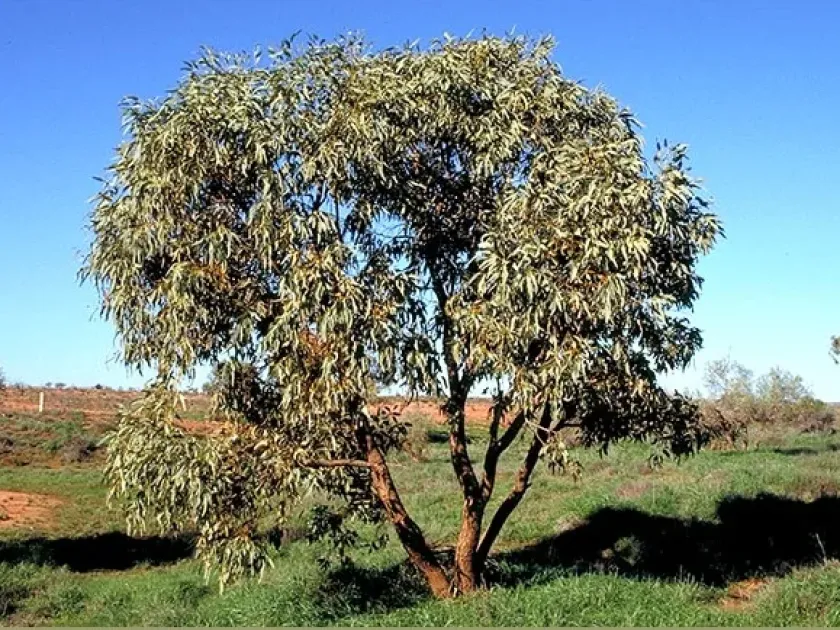
Description
Growing requirements
Eucalyptus xerothermica is a specialized tree species belonging to the Myrtaceae family, native to the arid regions of Western Australia. It is highly adapted to extreme environmental conditions, characterized by scarce rainfall and intense heat, making it a valuable subject for agricultural studies in desertification control.
The plant thrives in well-drained, sandy, or rocky soils, demonstrating a remarkable ability to survive on minimal resources. Its physiological traits allow it to regulate transpiration effectively, ensuring survival through prolonged periods of extreme heat and water scarcity.
From an agricultural perspective, this species requires specific soil management to ensure adequate drainage, as waterlogging is detrimental to its root system. Once established, Eucalyptus xerothermica requires little to no artificial irrigation, as it efficiently taps into deep soil moisture reserves.
Botanically, the tree exhibits narrow, leathery leaves covered with a thick cuticle, which serves as a natural defense mechanism against dehydration. The tree's growth pattern is generally vertical, which optimizes light absorption in its native environment while minimizing the surface area exposed to direct solar radiation.
The primary utility of this species lies in sustainable forestry, specifically in creating shelterbelts and stabilizing degraded soils. Additionally, its foliage is rich in aromatic oils, which are harvested for industrial applications, and its wood density makes it a sustainable source of biomass in dry-climate agroforestry projects.