
Eucalyptus scias
Eucalyptus scias
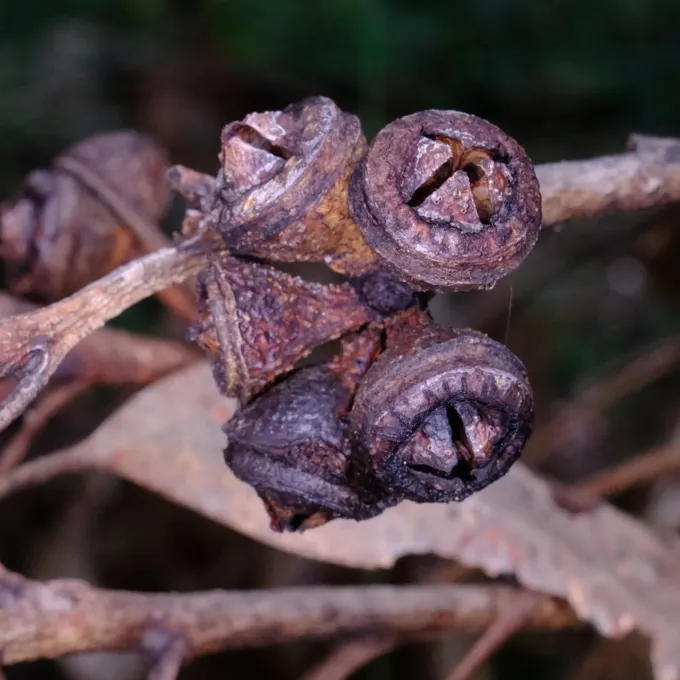
Description
Growing requirements
Eucalyptus scias is a prominent member of the Myrtaceae family, characterized by its evergreen foliage and robust growth habit. Native to the eastern coastal regions of Australia, this species has adapted to specific climatic conditions, primarily in warm-temperate and subtropical zones.
For successful cultivation, the species requires deep, well-drained soils that allow for extensive root development. While it shows some tolerance to various soil types, loamy and sandy substrates with neutral to slightly acidic pH levels are considered optimal for maximizing annual growth increments.
The climate requirements involve plenty of solar radiation and a consistent water supply during the early stages of life. Excessive wind exposure should be minimized in young plantations to prevent trunk deformation, which can significantly affect the commercial quality of the wood in later years.
Proper agro-technical practices include careful weed control during the seedling phase to prevent resource competition. Maintaining adequate spacing between trees is crucial for promoting even light distribution and ensuring that each specimen has sufficient airflow to mitigate potential fungal risks.
Young trees are sensitive to severe frost. In regions where temperatures frequently drop below freezing, specific protection methods, such as mulching or the use of protective coverings, are recommended to maintain the viability of the plantation during the colder months.
Harvesting
Eucalyptus scias is primarily valued for its high-quality timber, which is suitable for construction, furniture manufacturing, and paper pulp production. The wood is known for its durability and resistance to decay, making it a reliable material for various industrial applications.
The harvest cycle is determined by the specific objectives of the forestry project. Commercial timber plantations are typically managed under long-term rotation plans, where selective logging or clear-cutting is performed based on the diameter and height of the mature trunks.
Leaf biomass is another significant product, often utilized in the extraction of essential oils. Harvesting leaves requires a delicate balance; it should be conducted in a way that minimizes stress on the tree, allowing for continuous regrowth if the plantation is intended for multi-year production.
Post-harvest management is vital for the sustainability of the timber resource. In many cases, the root system remains alive after the trunk is felled, allowing for stump sprouting, which accelerates the regeneration process and reduces the need for replanting new seeds.
Efficient harvesting operations rely on professional equipment and logistics to ensure that the biomass is processed quickly. This reduces the risk of quality degradation and ensures that the raw material meets industrial standards before reaching the processing facility.