
Eugenia biflora
Eugenia biflora
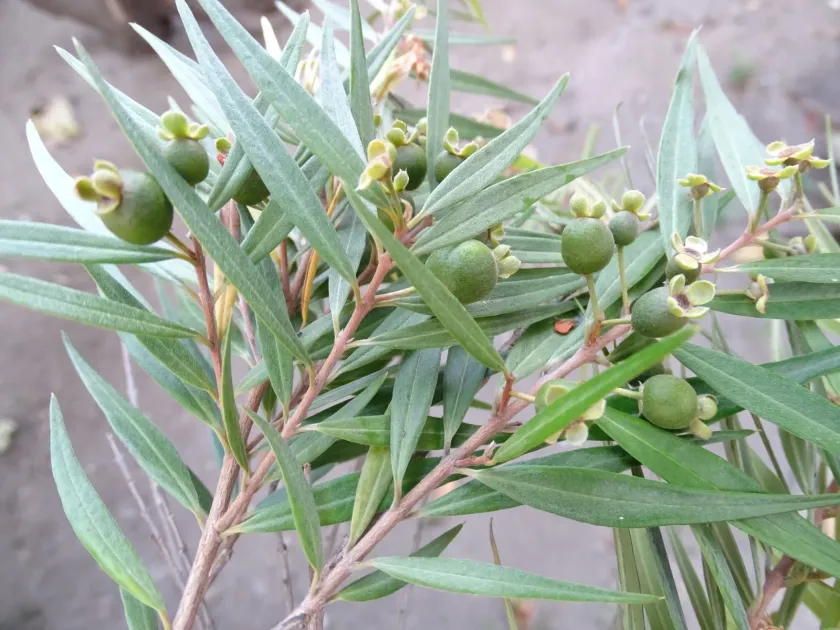
Description
Growing requirements
Eugenia biflora is an evergreen shrub or small tree belonging to the Myrtaceae family. As a relative of other well-known tropical fruits like the surinam cherry, it possesses distinct aromatic foliage and produces small, edible berries.
Native to tropical regions of South America, this species thrives in climates with high humidity and consistent warmth. It is highly sensitive to cold and requires a protected environment if grown in non-tropical zones.
For successful growth, the plant requires fertile, well-draining soil with a slightly acidic to neutral pH. Soil aeration is critical, as stagnant water at the roots can quickly lead to plant mortality and root rot.
In terms of light, Eugenia biflora prefers bright, filtered sunlight. While it can handle some exposure, direct midday sun often causes leaf scorch, necessitating the use of shade cloth or strategic placement in a greenhouse.
Temperature management is essential for long-term health, with an ideal range between 22 and 28 degrees Celsius. Protection from frost and cold drafts is mandatory, as the plant lacks the resilience to survive low-temperature stress.
Yield
The primary economic value of Eugenia biflora lies in its edible fruits, which are appreciated for their unique flavor profile. Yield is influenced by plant maturity, nutrition levels, and the intensity of the light provided throughout the growing season.
Regular fertilization with high-potassium blends during the active growing phase helps support consistent fruit set. Most specimens begin producing a measurable harvest within 3 to 5 years after planting in favorable conditions.
The fruits can be consumed fresh or processed into jams, jellies, and refreshing beverages. Although individual berries are relatively small, the plant’s potential for heavy fruit clusters makes it a productive crop for small-scale orchards.
Botanical traits allow for periodic flowering, which can lead to multiple harvest cycles per year. This characteristic is highly valued by growers aiming for steady fruit production in climate-controlled facilities.
Beyond food use, the leaves and bark of Eugenia species are often investigated for their high concentration of essential oils. These compounds are of interest for both traditional medicinal practices and commercial perfume development.
Main diseases and pests
Common pests affecting Eugenia biflora include scale insects and mealybugs. These sap-sucking pests can weaken the plant and lead to stunted growth, necessitating proactive monitoring and, when necessary, targeted treatment.
Fungal pathogens such as powdery mildew represent a threat if humidity levels are not properly managed or if the plant lacks adequate airflow. Ensuring sufficient space between plants helps mitigate the spread of such infections.
Spider mites are a particular concern in indoor environments where air circulation may be low and dry. Regular misting and maintenance of optimal humidity can prevent large-scale mite outbreaks without heavy chemical intervention.
Sanitation practices, such as removing dead or diseased foliage, are fundamental in preventing fungal outbreaks. By keeping the plant clean and providing good ventilation, the overall health and resistance of the tree are significantly improved.
Integrated pest management (IPM) is the most effective approach for this crop. Utilizing natural predators or soft soaps for localized outbreaks allows for productive cultivation while maintaining the organic quality of the harvested fruit.