
Sorocea bonplandii
Sorocea bonplandii
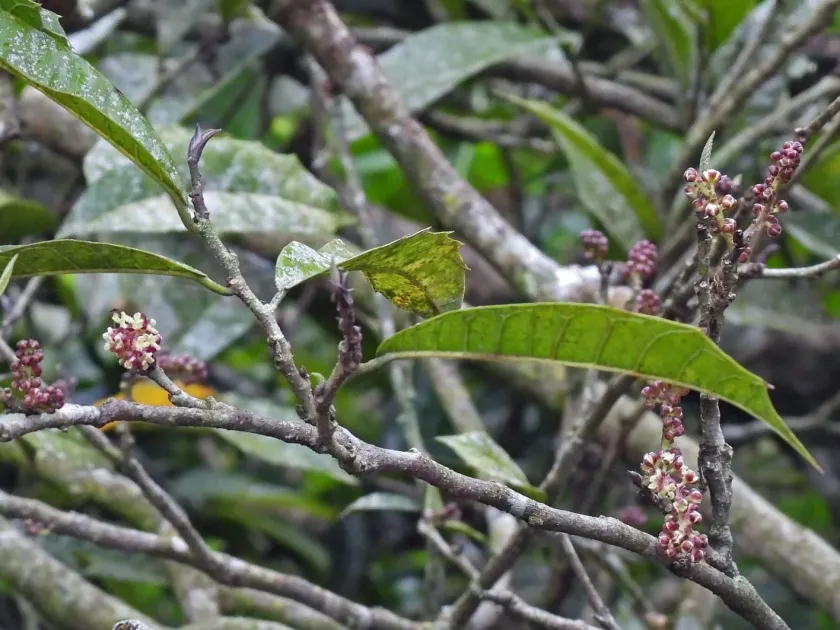
Description
Growing requirements
Sorocea bonplandii is an evergreen tree belonging to the Moraceae family. Naturally distributed across South American tropical forests, this species is known for its resilience within the specific microclimates of its habitat.
The plant thrives in regions with consistent temperatures and high atmospheric humidity. It is sensitive to extreme thermal fluctuations, making it ideal for tropical and subtropical environments that provide steady weather patterns.
Soil requirements focus on high organic content and excellent drainage. While the species appreciates moisture, it cannot tolerate waterlogging, which often leads to root rot and other physiological stressors.
Regarding sunlight, Sorocea bonplandii exhibits shade tolerance during its juvenile stages. As the tree matures, it requires filtered light conditions, as excessive direct exposure can impact the health of its foliage.
Management practices include mulching to stabilize soil moisture levels and light pruning to encourage strong branching. These techniques are essential to maintain the structural integrity of the tree over time.
Main diseases and pests
The primary threats to this culture involve fungal pathogens that thrive in humid environments. Leaf spots and mildew are common issues that typically arise when airflow within the canopy is insufficient.
Pests such as scale insects and spider mites present significant challenges to the plant's health. These pests feed on the nutrient-rich sap, causing leaf chlorosis and potentially weakening the entire specimen.
Integrated pest management is recommended for Sorocea bonplandii to mitigate the use of harsh chemicals. Biological control agents are often effective in maintaining pest populations below damaging levels.
Preventative care is centered on proper spacing of trees in orchards. Ensuring good ventilation reduces the risk of fungal proliferation and supports the overall health of the planting site.
Regular monitoring of the foliage and stems allows for early detection of potential threats. Rapid intervention, including pruning affected areas, remains the most effective strategy to ensure long-term sustainability.