
Maquira coriacea
Maquira coriacea
Description
Growing requirements
Maquira coriacea is a significant tree species belonging to the Moraceae family, naturally occurring in the tropical rainforests of South America. It is recognized for its robust growth and distinct adaptation to humid equatorial environments.
The tree requires a tropical climate with consistent temperatures and high annual rainfall. It thrives in regions where there is no pronounced dry season, ensuring a steady supply of moisture for continuous growth.
Regarding soil requirements, Maquira coriacea prefers deep, fertile, and well-drained soils. Alluvial deposits along river basins provide the ideal substrate for its development, supporting the nutrient intake necessary for its large physical stature.
As a tropical species, it is highly sensitive to cold weather and frost, which limits its cultivation range to tropical zones near the equator. Stable environmental conditions are crucial for maintaining the plant's health and vitality.
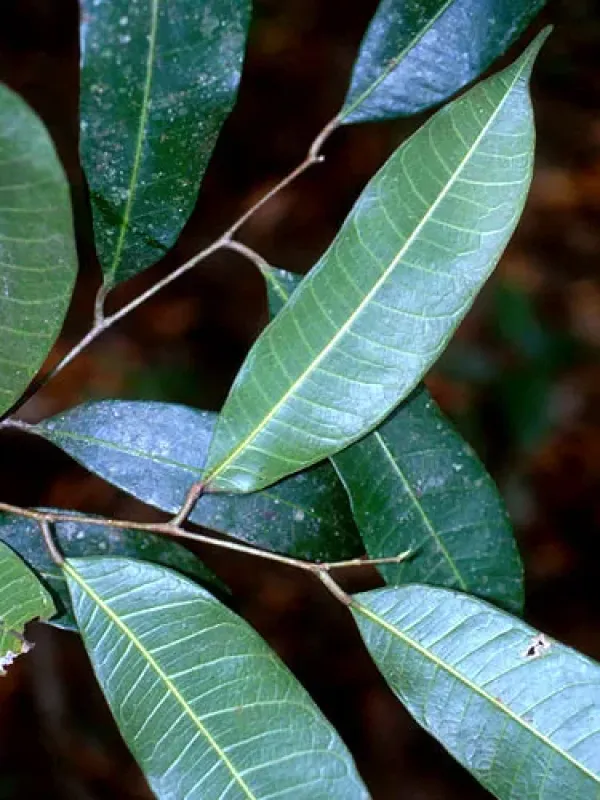
The botanical structure, featuring leathery leaves, allows the tree to manage water balance efficiently, which is a critical evolutionary advantage in its native canopy layer.
Harvesting
The primary economic value of Maquira coriacea lies in its high-quality timber, which is known for its exceptional density and natural resistance to decay. It is frequently employed in construction projects where long-term durability is required.
Harvesting strategies involve selecting mature trees in accordance with sustainable forestry practices. This ensures the protection of the surrounding ecosystem while providing high-grade wood for specialized industrial use.
In addition to timber, the tree plays a role in the local ecology, as its parts are consumed by various species of tropical wildlife, thus supporting biodiversity in managed forest areas.
Modern forestry management of this species focuses on reforestation initiatives, aiming to integrate the tree into agroforestry systems to balance economic output with ecological conservation efforts.
Wood processing requires heavy-duty machinery due to the high density of the timber. Skilled processing ensures that the wood's properties, such as its strength and structural integrity, are effectively utilized in final products.