
Fraser Fig
Ficus fraseri
Description
Growing requirements
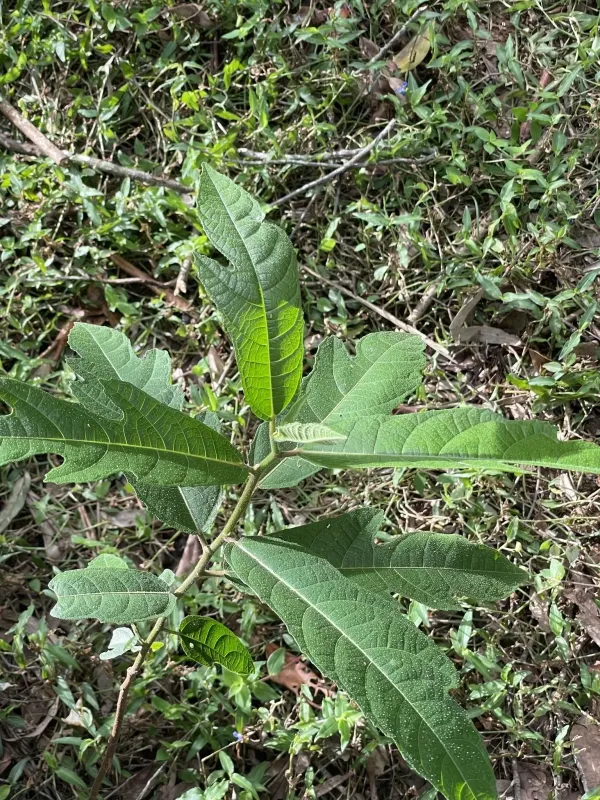
The Fraser Fig (Ficus fraseri), commonly known as the shiny sandpaper fig, is an evergreen tree belonging to the Moraceae family. It is native to the rainforest regions of eastern Australia and is characterized by its glossy, textured foliage.
This species thrives in high-humidity environments and requires consistently warm temperatures to remain healthy. While it can adapt to various light conditions, partial shade with dappled sunlight is considered optimal to prevent leaf scorching.
The ideal growing medium for this culture is a nutrient-rich, well-draining soil mix. Soil aeration is critical, as the roots are susceptible to rotting if submerged in stagnant water for extended periods.
Agricultural management of the Fraser Fig involves regular irrigation to keep the substrate moist but not saturated. During the active growing season, application of a balanced liquid fertilizer supports vigorous development and leaf production.
Pruning is an essential maintenance task for this plant. It helps in maintaining a manageable size for ornamental use and encourages a denser branching structure, which significantly enhances the overall aesthetic value of the specimen.
Main diseases and pests
Common pests affecting Ficus fraseri include scale insects and mealybugs, which tend to congregate on the undersides of leaves and along stems, extracting vital plant sap.
Spider mites represent another major threat, particularly in indoor environments with low humidity, causing stippling and eventual leaf drop if left untreated.
Root rot caused by fungal pathogens remains the most significant disease risk. It is almost exclusively triggered by improper drainage or excessive frequency of irrigation cycles.
Leaf spot diseases can also occur, characterized by irregular dark blotches on the foliage, often exacerbated by poor air circulation and high ambient moisture.
Effective management includes maintaining sanitary conditions, utilizing horticultural oils for pest control, and ensuring the root zone is never left in a waterlogged condition to prevent decay.