
Helicostylis tomentosa
Helicostylis tomentosa
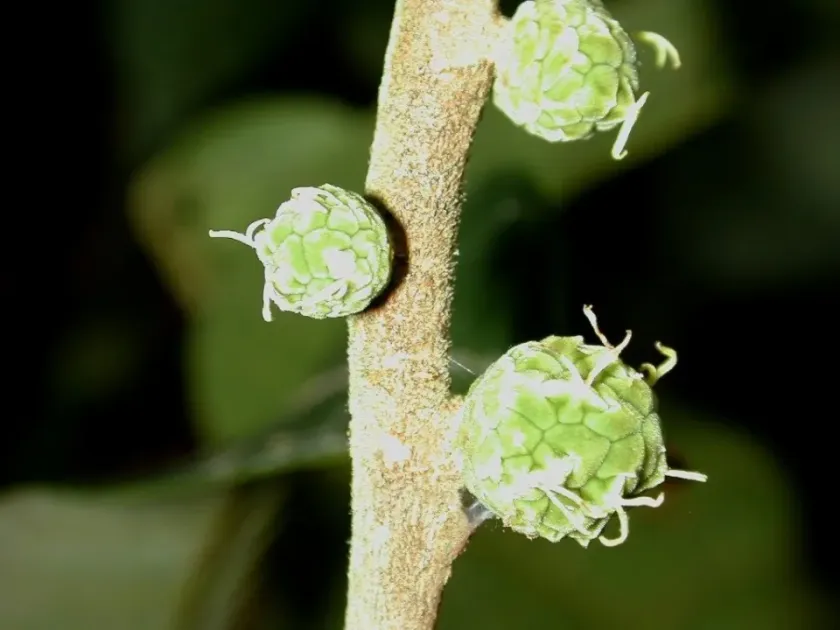
Description
Growing requirements
Helicostylis tomentosa is a notable species belonging to the Moraceae family. It is an evergreen tropical tree renowned for its dense canopy and significant height within its native rainforest environment.
The species is primarily distributed throughout the tropical regions of South America, specifically thriving in the Amazon Basin. It demands a climate characterized by consistently high humidity and warm temperatures year-round.
Regarding soil requirements, the tree flourishes in fertile, well-draining soils rich in organic matter. Proper moisture levels in the substrate are critical for the healthy development of its root system.
Botanically, it is distinguished by the dense, felt-like hairs (tomentum) on its foliage and stems. Like many other members of the mulberry family, it produces a distinct latex, which serves as a natural defensive mechanism.
In terms of economic value, Helicostylis tomentosa is highly regarded for its durable and resilient wood. Local populations utilize this material for construction, tool handles, and various traditional applications that require structural strength.
Main diseases and pests
Pathogenic fungi represent a primary threat, particularly in humid environments where water stagnation can lead to root rot and bark decay in older trees.
Insect pests, including various boring beetles and leaf-chewing larvae, pose significant risks to both young saplings and established canopy trees during certain seasons.
Large-scale deforestation for land conversion remains the most critical threat to the species, leading to a direct loss of its native forest habitat and genetic diversity.
Climate instability, particularly extended periods of drought, can cause physiological stress, making the trees more susceptible to secondary pest infestations.
Invasive plant species can outcompete young seedlings for sunlight and soil nutrients, hindering the natural regeneration cycle of Helicostylis tomentosa in disturbed areas.