
Fiddle-leaf fig
Ficus pandurata
Description
Growing requirements
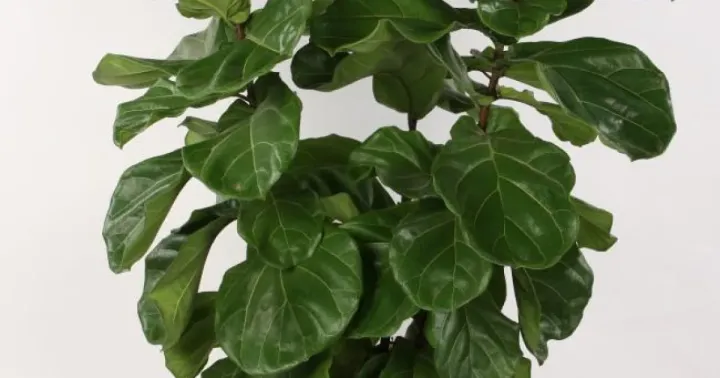
The Fiddle-leaf fig (Ficus lyrata) is a member of the Moraceae family, native to the tropical rainforests of West Africa. It is highly valued as an ornamental indoor plant due to its dramatic, large, leathery leaves shaped like a fiddle.
In its native habitat, this species can reach heights of 15 meters, growing as an epiphyte. When grown as a crop or houseplant, it requires a controlled environment that mimics the high humidity and stable temperatures of the tropics.
The culture thrives in bright, filtered light. Exposure to direct sunlight, particularly in the afternoon, can lead to scorched leaves, while low light conditions usually result in slow growth and leaf loss.
Soil requirements focus on excellent drainage and aeration. A loose, well-draining potting mix based on peat, bark, and perlite is recommended to prevent waterlogging, which the plant cannot tolerate.
Agrotechnical maintenance includes cleaning the leaves with a damp cloth to remove dust, which enhances photosynthesis. Regular fertilization during the growing season is essential for maintaining the vibrant green color of the foliage.
Main diseases and pests
The primary pests affecting Ficus lyrata are spider mites, mealybugs, and scale insects. These pests settle on the undersides of the leaves or in the leaf axils, causing stunted growth and yellowing.
Root rot is the most common and devastating disease, caused primarily by overwatering and poor drainage. Symptoms include wilting leaves despite moist soil and the development of dark lesions on the stems.
Leaf spot diseases, often caused by fungal pathogens such as Colletotrichum, manifest as brown or black spots surrounded by a yellow halo. These are often triggered by misting the foliage in poor ventilation conditions.
Preventative measures include regular inspection of the plants, avoiding overhead watering, and ensuring proper airflow. If pests are detected, prompt application of appropriate insecticides is necessary to prevent widespread infestation.
Maintaining a stable environment is key to plant health. Avoiding drafts, maintaining consistent temperatures above 18 degrees Celsius, and using tepid water are fundamental practices to prevent physiological stress.