
Golden fig
Ficus aurata
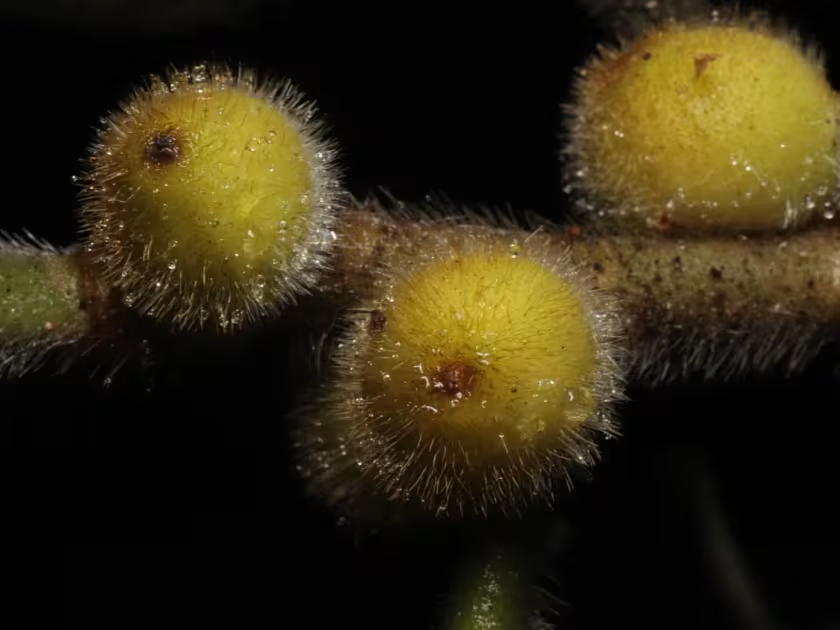
Description
Growing requirements
The golden fig (Ficus aurata) is an evergreen woody plant belonging to the Moraceae family, originating from the tropical forests of Southeast Asia. This species is recognized for its unique golden-veined foliage, which makes it a highly prized specimen in both professional horticulture and private collections.
In terms of climate requirements, this plant thrives in warm, humid environments where temperatures are consistently maintained between 22°C and 28°C. It is sensitive to cold drafts and sudden changes in environmental conditions, which can lead to premature leaf drop and stunted development of the canopy.
Successful cultivation requires a well-drained, nutrient-rich soil medium that mimics the natural forest floor. The soil should remain consistently moist but never waterlogged, as the root system of Ficus aurata is highly susceptible to hypoxia and decay if excess moisture is not properly drained.
Regarding agrotechnical practices, regular fertilization with balanced NPK formulas is essential during the active growing season. Adequate lighting, specifically bright indirect light, is crucial for maintaining the plant's characteristic leaf coloration, as low-light conditions often lead to greening and loss of decorative value.
The golden fig is primarily used as an ornamental crop for greenhouses, indoor botanical displays, and interior landscaping. Its structural beauty and relative longevity under proper care make it a staple in tropical plant nurseries, where it is propagated through stem cuttings in controlled environmental chambers.
Main diseases and pests
Common pests affecting Ficus aurata include spider mites and scale insects, which can thrive in low-humidity indoor environments. These pests feed on sap, leading to chlorosis and potential leaf abscission, requiring regular scouting and immediate intervention with appropriate acaricides or systemic insecticides.
Fungal pathogens such as root rot represent the most significant physiological threat to the plant, usually triggered by overwatering and poor drainage. Management involves strict adherence to irrigation schedules and ensuring that the substrate is allowed to dry slightly between watering cycles to maintain root health.