
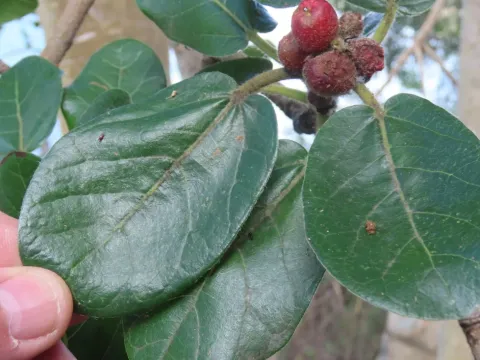
Ficus glumosa
Ficus glumosa
Ficus glumosa is a prominent species within the Moraceae family, widely distributed across tropical Africa and the southern Arabian Peninsula. It is well-known for its resilience in rugged, rocky terrains and semi-arid landscapes.
What the section contains
Ficus glumosa
The plant exhibits remarkable adaptation to harsh environmental conditions, making it an excellent candidate for xeriscaping and sustainable forestry projects in warm regions. Its physiological structure supports survival during prolonged dry seasons.
Regarding climate requirements, the species thrives under full sun exposure and prefers warm, stable temperatures. It is not frost-tolerant and requires protection in cooler climates to avoid tissue damage.
Soil management for Ficus glumosa necessitates well-drained medium. While the species is drought-tolerant, young specimens require consistent, moderate moisture to establish a strong root system before they can be left to flourish on their own.
Agrotechnical practices should focus on maintaining soil aeration and avoiding water stagnation. Proper spacing is essential to ensure adequate airflow, which prevents the development of humidity-related issues within the dense canopy.
The economic and agricultural utility of Ficus glumosa is primarily focused on environmental services, such as soil erosion control and land rehabilitation in degraded areas. It acts as a stable anchor for volatile soils.
In terms of agricultural production, the tree serves as a vital forage source for livestock during extreme drought periods when conventional green fodder is scarce, providing essential minerals and nutrients.
Ethnobotanical uses remain significant, as various parts of the tree are utilized in traditional medicine. The leaves and bark are often harvested for therapeutic applications in local healthcare systems.
As a landscape plant, Ficus glumosa provides substantial shade, which improves microclimates in urban and agricultural settings, reducing heat stress for surrounding lower-level crops.
While not a primary commercial fruit crop, the figs are edible and contribute to local food security, particularly for indigenous communities who recognize the tree's nutritional benefits.
Pest management for Ficus glumosa involves monitoring for common invaders such as scale insects, spider mites, and mealybugs, which can cause significant foliar damage if left unchecked.
Fungal pathogens represent the most common health challenge for this species. Root rot is particularly prevalent in poorly drained soils, often resulting from over-irrigation or high water tables.
Leaf spot diseases may occur in instances of high humidity or insufficient light, leading to premature leaf drop and a decrease in the plant's overall photosynthetic capacity.
Integrated Pest Management (IPM) strategies, including regular inspections and the use of targeted biological or chemical treatments, are recommended to maintain plant health throughout the growing season.
Sanitation practices, such as the timely removal and destruction of infected branches, play a critical role in minimizing the spread of pathogens across the plantation or orchard.