
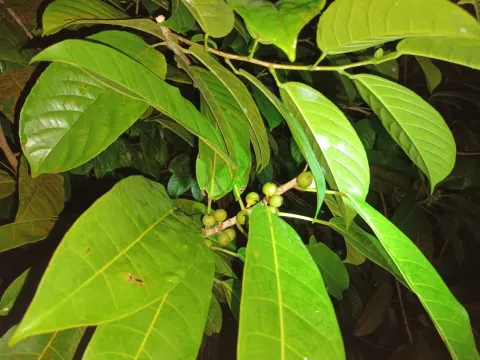
Ficus globosa
Ficus globosa
Ficus globosa is a distinct species within the Moraceae family, native to the tropical regions of Southeast Asia. It is primarily valued in botanical collections for its unique habit and the distinctive spherical morphology of its fruit-like syconia, which serve as its primary identifier.
What the section contains
Ficus globosa
Botanically, this species thrives in high-humidity tropical environments. Its foliage is evergreen, leathery, and dark green, designed to optimize light absorption under the canopy of more dominant forest flora. The root system is vigorous and requires a stable, well-draining substrate to thrive.
The climate requirements for Ficus globosa are stringent regarding temperature stability. It requires consistent warmth, ideally between 22 and 26 degrees Celsius, as extreme cold stress can lead to significant leaf drop and vascular damage to the main stems.
Regarding soil, the plant prefers a rich, porous medium. A recommended agricultural substrate includes a blend of high-quality peat, coco coir, and perlite, which ensures optimal aeration while maintaining necessary moisture levels for the fine capillary roots of the plant.
Agricultural techniques for this species include the necessity of proper light management. It does not tolerate prolonged direct sunlight during the peak of the day, which causes leaf scorch. Instead, it flourishes in bright, filtered light that simulates the filtered sunlight of its native tropical habitat.
The most common pest threats to Ficus globosa include spider mites and scale insects. These pests proliferate rapidly in dry indoor conditions, making regular inspection of the leaf undersides and occasional leaf washing a necessary part of the plant's maintenance routine.
Root rot, primarily caused by waterlogged soil conditions, is the most lethal threat to the plant's health. It often leads to the sudden wilting of leaves despite moist soil. To mitigate this risk, it is essential to ensure that the pot has adequate drainage holes and that the plant is not left sitting in water.