
Ficus fistulosa
Ficus fistulosa
Description
Growing requirements
Ficus fistulosa is a species of the Moraceae family, native to the tropical regions of Southeast Asia. This evergreen tree is widely recognized for its ecological importance and distinctive appearance in tropical landscapes.
The plant thrives in warm, humid climates, naturally occurring in rainforests and along watercourses. It requires a stable temperature range and high levels of atmospheric humidity to maintain optimal growth rates.
In terms of soil requirements, the species prefers well-drained, nutrient-rich substrates. It is sensitive to waterlogging, which necessitates effective drainage systems when growing in containers or managed landscapes.
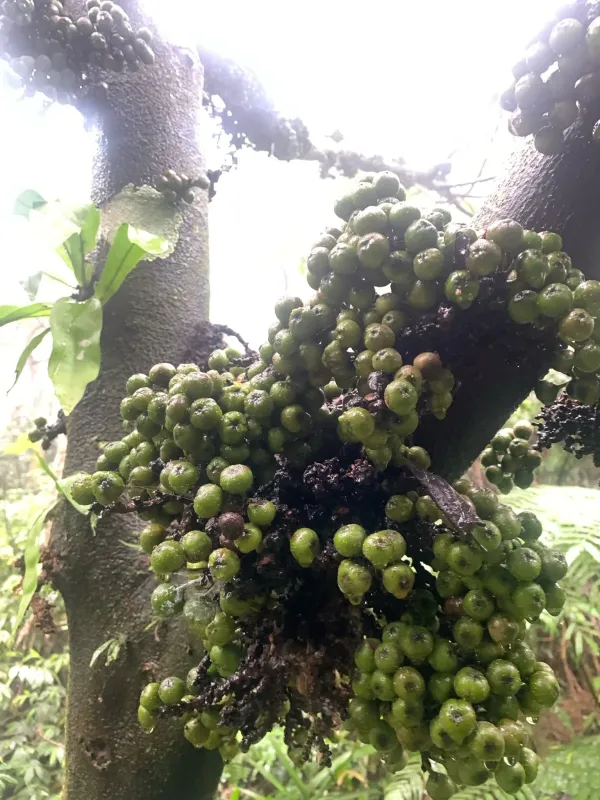
Botanically, this species is noted for its hollow twigs and its cauliflorous nature, producing fruits along the main stem and older branches, which is a unique trait within the genus Ficus.
In economic and environmental terms, the species serves as a valuable resource for reforestation projects, as its abundant fruit production attracts various species of birds and mammals, facilitating ecosystem restoration.
Main diseases and pests
Common pests affecting Ficus fistulosa include spider mites and scale insects, which often appear when the plant is kept under stress or in conditions with low air circulation.
Fungal diseases such as leaf spots can be problematic, especially in areas with stagnant air and high humidity, leading to the rapid spread of spores among susceptible foliage.
Root rot is a critical threat caused by overwatering or poorly draining soil, which creates an anaerobic environment unfavorable for the tree's health.
Pest management relies on integrated strategies, including the use of horticultural oils for insect control and maintaining proper plant spacing to ensure airflow.
Early detection of infections is vital for the survival of the tree, involving regular inspections of the underside of leaves and the junction points of branches and trunks.