
Platycarya
Platycarya Siebold & Zucc.
Description
Sowing dates
The propagation of Platycarya (Platycarya strobilacea) typically involves sowing seeds in the autumn to allow for natural stratification in the soil. Seeds require cold, moist conditions for approximately 60 to 90 days to break dormancy and ensure high germination rates.
For spring sowing, seeds should undergo artificial stratification in a refrigerator. The seeds are placed in a damp substrate at temperatures around +4°C, then sown in well-draining soil at a depth of 1-2 cm once the risk of frost has passed.
Seedlings are slow-growing during their first year, so maintaining optimal moisture and light levels in a protected nursery setting is crucial. Protection from harsh winds and intense midday sun helps prevent early stress and stunted growth.
Transplanting to a permanent location should ideally take place after two to three years of nursery cultivation. Care must be taken to minimize root disturbance to ensure successful establishment in the landscape.
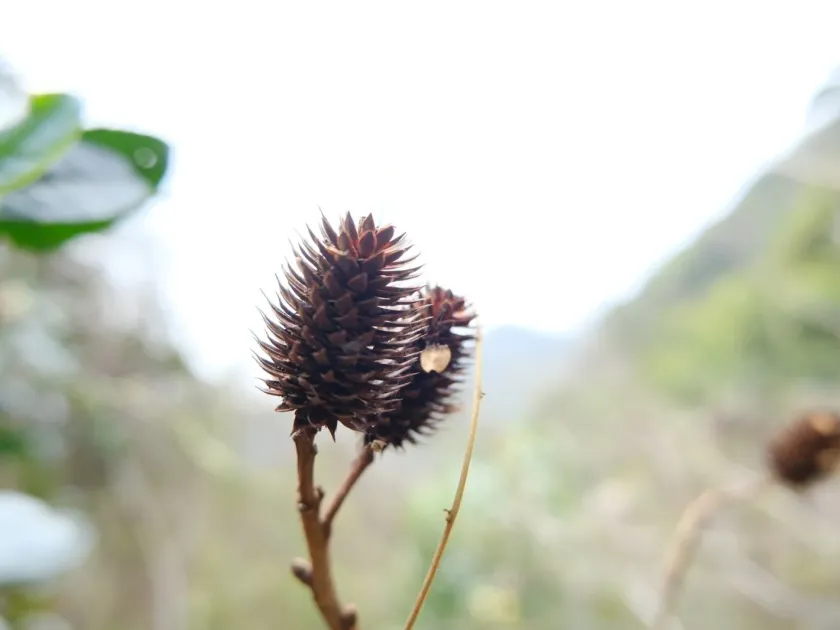
Platycarya is a monotypic genus in the Juglandaceae (walnut) family, native to East Asia. It is a deciduous tree recognized for its unique, cone-like inflorescences that provide distinct aesthetic value.
Growing requirements
This species thrives in sunny to partially shaded locations, requiring protection from high winds. Adequate sunlight is vital for the development of healthy foliage and the production of its signature cone-like fruits.
Well-draining, fertile soils with a slightly acidic to neutral pH are ideal for Platycarya. The tree is sensitive to waterlogged conditions, making proper soil structure and drainage management essential for its health.
The climate requirements for Platycarya are generally consistent with temperate and subtropical zones. While mature trees are relatively hardy, young specimens benefit from winter protection in regions prone to severe cold.
Consistent watering during the establishment phase and periods of drought is necessary to maintain vigorous growth. Mulching around the base of the tree helps retain soil moisture and suppresses weed competition.
Fertilization with organic compost in the spring provides the necessary nutrients for sustained growth. Avoiding excessive nitrogen application late in the season ensures that new wood has enough time to harden before winter.
Yield
Platycarya is primarily utilized for its ornamental qualities in landscaping and botanical collections. Its distinctive fruit structure and elegant foliage make it a favored choice for large garden designs.
The wood of Platycarya is dense and durable, featuring an attractive grain. It has been historically used in woodworking and the production of small furniture or artisanal items due to its structural properties.
Both the bark and leaves contain tannins, which have been historically utilized in leather tanning and dyeing processes. This traditional use highlights the potential of the species as a source of botanical extracts.
While not a major commercial fruit crop, the seeds and catkins are of interest in educational and ecological restoration projects. Its ability to thrive in specific habitats supports its role in diverse reforestation efforts.
With proper management, Platycarya trees can live for many decades, providing a steady accumulation of biomass and contributing to the ecological diversity of their habitat through soil stabilization and habitat provision.
Main diseases and pests
Platycarya is generally considered resistant to most major diseases. However, in environments with poor air circulation and high humidity, it can be susceptible to powdery mildew, which affects leaf surface health.
Common pests include aphids and mites that may target young leaves and soft shoots. Occasional infestations of lepidopteran larvae may also occur during the active growing season, requiring monitoring.
Sanitation practices, such as the removal of fallen leaves and infected branches, are effective in minimizing disease pressure. Ensuring adequate spacing between trees promotes better airflow and reduces pathogen spread.
Integrated pest management, including the use of neem oil or biological controls, is recommended if pest thresholds are exceeded. Avoiding heavy chemical pesticides preserves beneficial insects in the ecosystem.
Root system health is paramount; therefore, avoiding mechanical damage during cultivation and maintaining appropriate soil drainage are the best defenses against secondary fungal infections or root rot.