
Platycarya strobilacea
Platycarya strobilacea
Description
Sowing dates
Platycarya strobilacea is primarily propagated through seeds, which require stratification to break dormancy and ensure uniform germination rates.
Sowing should be performed in a well-drained, nutrient-rich potting medium, covering the seeds with a thin layer of soil to maintain consistent moisture.
Nursery management often involves container-based production to monitor the development of the taproot system during the early stages of growth.
Seedlings are best transplanted to permanent locations during the spring season to maximize the establishment period before the onset of winter.
Proper spacing between trees is crucial to facilitate airflow and allow sufficient space for crown development as the tree reaches maturity.
Growing requirements
This species belongs to the Juglandaceae family and originates from Eastern Asia, where it thrives in deciduous forest environments.
The tree prefers deep, fertile, and well-drained soils and performs best in locations that receive full sun for the majority of the day.
Climate adaptability is limited to temperate and subtropical zones; the species is sensitive to extremely low winter temperatures in the juvenile phase.
Maintenance includes regular irrigation during prolonged dry spells and the application of mulch to preserve soil moisture and regulate root temperature.
Fertilization with balanced organic amendments in early spring helps support vigorous growth and strengthens the tree against environmental stress.
Yield
The primary economic use of Platycarya strobilacea is its dense and durable wood, which is utilized for specialized woodworking and cabinetry.
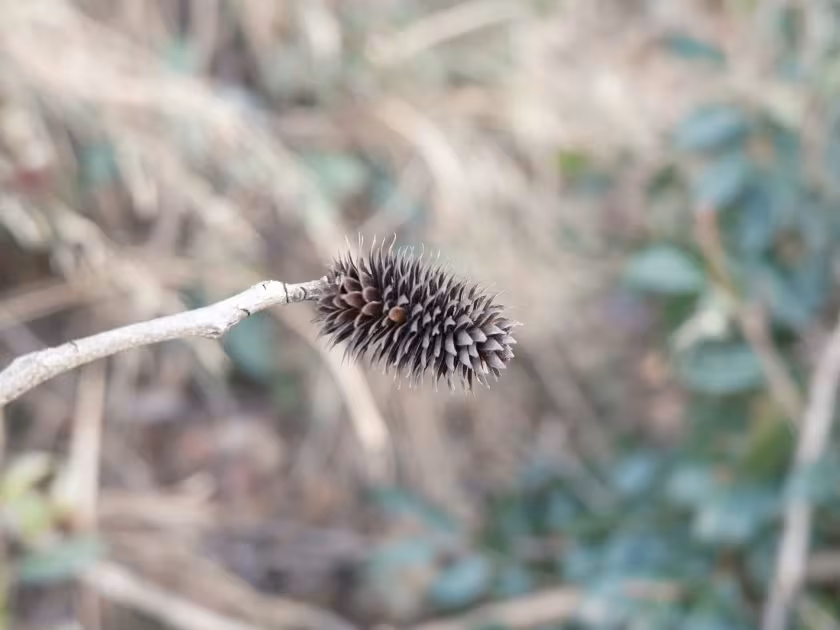
Beyond timber production, the tree is highly valued for its unique decorative inflorescences that resemble cones, adding aesthetic interest to gardens.
It is frequently used in urban landscaping and botanical collections due to its distinct architectural form and relatively low maintenance once established.
In soil conservation projects, the species helps in stabilizing slopes owing to its extensive and robust lateral root system.
While not a major commercial timber crop, its wood is appreciated for its fine texture and strength in artisanal manufacturing applications.
Main diseases and pests
The tree is susceptible to several leaf spot diseases, which are usually triggered by high humidity levels or poor air circulation within the canopy.
Aphids are the most common pests that infest young shoots and leaves, potentially causing stunted growth if populations remain uncontrolled.
Root-related issues, such as decay, often arise from waterlogged soil conditions, emphasizing the need for excellent drainage in the planting area.
Good cultural practices, including sanitation and removal of debris, are essential to minimize the risk of pest and disease outbreaks.
Integrated pest management strategies should be applied at the first signs of infestation to maintain the overall vigor and health of the tree.