
Pear-shaped walnut
Juglans pyriformis
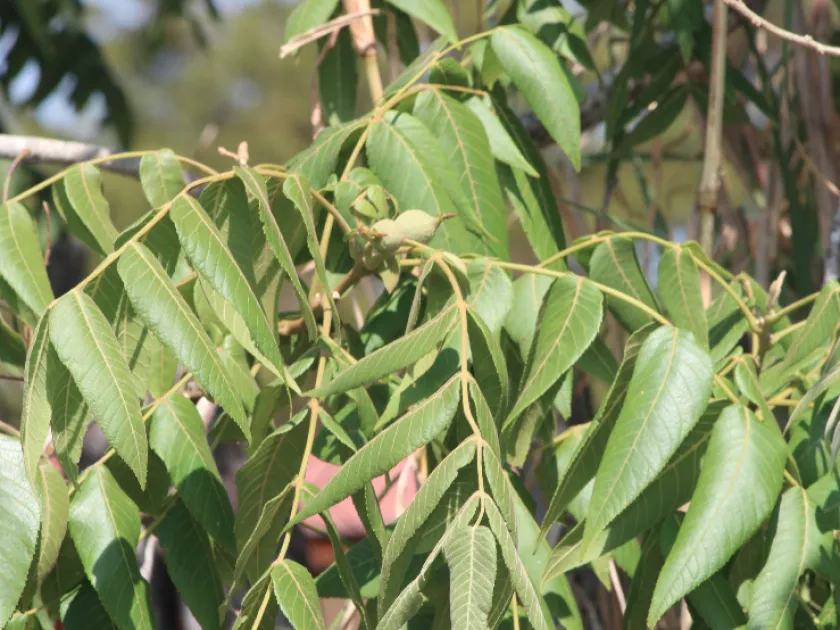
Description
Sowing dates
Pear-shaped walnut (Juglans pyriformis) is a distinctive species within the Juglandaceae family, recognized for its unique nut morphology. Successful establishment of this crop begins with the selection of high-quality seeds, which must undergo a period of cold stratification lasting between 90 and 120 days to break dormancy.
Sowing in the autumn months is considered optimal, as it allows seeds to naturally acclimate to soil conditions over the winter. If spring sowing is preferred, seeds should be planted at a depth of 8–10 centimeters, ensuring consistent soil moisture to support the emerging radicle and shoot.
In nursery settings, container-based propagation is often preferred to allow for better root system development. This method facilitates easier monitoring of individual plants and ensures that young trees have a robust root structure before they are transplanted to their permanent orchard locations.
When planning an orchard, providing adequate space for each tree is essential, as the species develops a wide, spreading canopy upon maturity. A spacing of at least 8 to 10 meters between trees is recommended to promote optimal light penetration and effective air circulation throughout the orchard.
Soil preparation is a critical step; incorporating organic matter into the planting hole helps establish a nutrient-rich environment for young trees. This initial investment in soil quality significantly improves the survival rate and long-term vitality of the pear-shaped walnut.
Growing requirements
This species thrives in temperate to subtropical climates that are free from severe spring frost events. It is best adapted to regions where temperature fluctuations remain moderate throughout the year, allowing for a steady and uninterrupted vegetative cycle.
The ideal soil profile for this walnut is deep, fertile, and well-drained, with a neutral or slightly acidic pH. Avoid planting in waterlogged or heavily compacted soils, as the tree's taproot is highly sensitive to hypoxia and can easily succumb to root rot in poorly drained environments.
Water management is paramount during the establishment phase and throughout the period of peak nut development. Utilizing irrigation, such as drip systems, allows for precise water application, which maintains adequate hydration levels in the root zone while minimizing the risk of superficial soil saturation.
Pear-shaped walnut is a light-demanding species, meaning full sun exposure is required for vigorous growth and high nut yields. Insufficient light leads to stunted growth, thin shoots, and a reduction in the overall capacity of the tree to set and develop high-quality fruit.
Maintenance practices such as mulching the base of the tree are highly recommended. Organic mulch acts as an effective thermal buffer, retains moisture in the soil, and gradually decomposes to release nutrients, creating a supportive ecosystem for the tree's growth.
Main diseases and pests
The primary health threats to this crop stem from fungal diseases, particularly those affecting the foliage and young wood. Conditions such as leaf spot are common in humid environments and can lead to early senescence if left unmanaged, ultimately weakening the tree's overall vigor.
Pest pressures often include nut-boring insects and various mite species that target developing buds and fruits. Integrated pest management strategies, combining regular field scouting and biological control agents, provide the most effective means of mitigating damage while maintaining orchard health.
Proactive disease management involves the consistent removal and destruction of fallen leaves and infected twigs to reduce primary inoculum loads. Applying preventative fungicide treatments during the early spring bud-swell phase is an essential practice for minimizing late-season disease outbreaks.
Maintaining the structural integrity of the tree through correct pruning techniques is vital. Any pruning wounds should be sealed immediately to prevent the entry of wood-decaying fungi and other pathogens that could compromise the long-term health of the wood.
Orchard sanitation remains the cornerstone of pest and disease control. By keeping the area under the tree canopy clean and free of decaying debris, growers can significantly lower the survival rates of over-wintering pests, ensuring a healthy and productive crop year after year.