
Bamber Walnut
Juglans notha
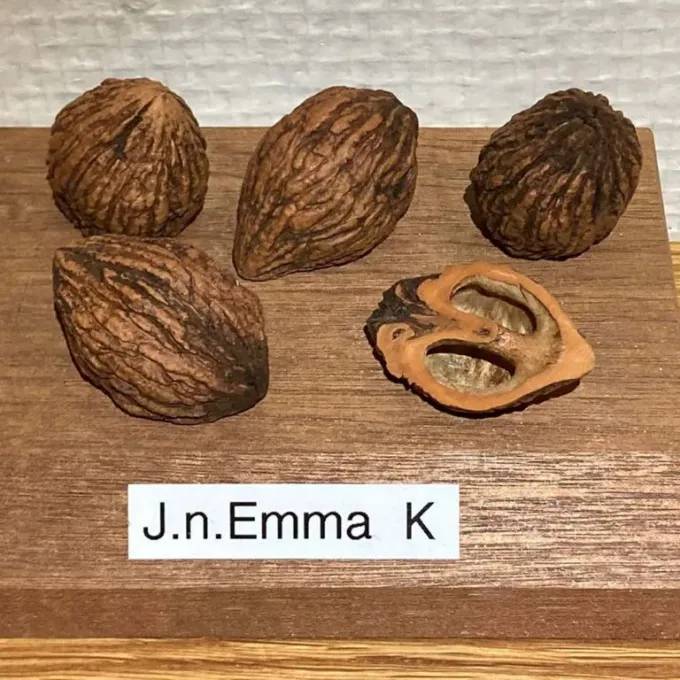
Description
Growing requirements
The Bamber Walnut (Juglans notha) is a hybrid nut tree belonging to the Juglandaceae family. It is valued for its unique combination of hardiness and productivity, often resulting from crosses between widely known walnut species, which allows it to thrive in diverse climatic zones.
Cultivation of this species requires well-drained, deep, and nutrient-rich soils. It performs best in loam soils with a balanced pH level. Proper aeration of the root system is essential, as waterlogging can lead to fungal infections and decline in tree vigor.
Environmental conditions play a crucial role in tree development. These trees require full sun exposure to ensure proper photosynthesis and fruit maturation. Providing wind protection in exposed locations is recommended, especially for young trees during their initial establishment phase.
Agricultural management should focus on consistent moisture levels during the growing season. While established trees are somewhat drought-tolerant, supplemental irrigation during dry spells significantly improves nut size and overall yield.
The tree serves both productive and decorative purposes. In agricultural settings, it is often utilized for nut production, while in landscape design, its broad canopy provides excellent shade and serves as a windbreak for smaller garden crops.
Main diseases and pests
Bacterial blight is a major concern, causing necrosis on leaves, catkins, and fruit. Regular monitoring and the application of copper-based sprays are standard practices to prevent widespread infection during high-humidity periods.
Anthracnose (Marssonina leaf spot) is a prevalent fungal disease that results in irregular spots on foliage. Controlling the disease involves removing fallen leaves in autumn and applying fungicide treatments before bud break.
The codling moth is a primary insect pest that targets the developing fruit. Controlling its population is vital for a marketable harvest, involving both pheromone trapping and integrated pest management techniques.
Aphids and mites can infest the foliage during the spring and summer months, leading to leaf curling and stunted growth. If left unchecked, these infestations can drain the tree's energy reserves.
Integrated orchard management remains the most effective way to keep Bamber Walnut healthy. This includes selecting resistant cultivars, maintaining proper tree spacing to ensure good airflow, and implementing balanced fertilization programs.