
Soft walnut
Juglans mollis
Description
Growing requirements
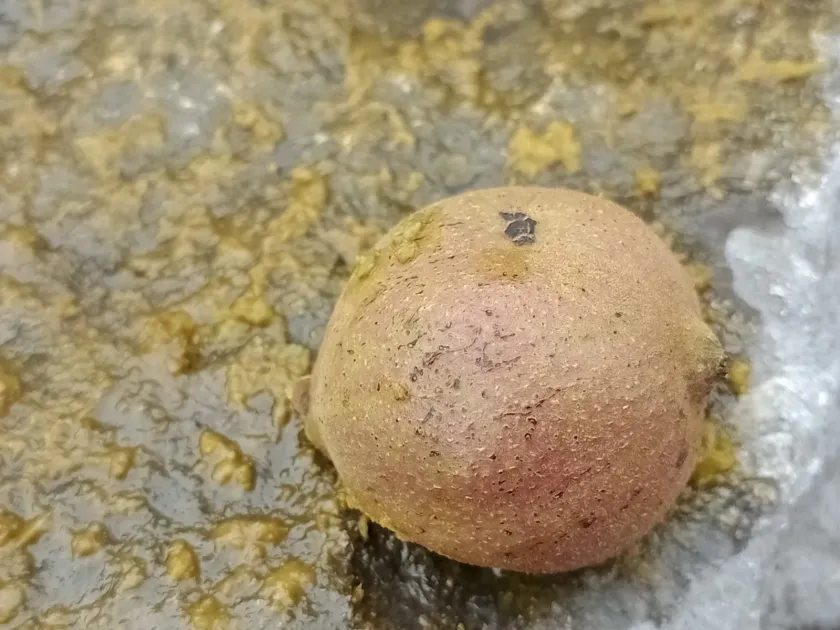
Soft walnut (Juglans mollis) is a distinct species of the Juglandaceae family. Native to the mountainous regions of Mexico, this tree is named for the fine, soft pubescence covering its young foliage and shoots.
The climate requirements for this species are specific, as it thrives in high-altitude environments with mild, temperate conditions. It is not cold-hardy, making it a niche crop in protected or warmer regions.
Soil quality is paramount for Juglans mollis. It requires deep, fertile, and well-draining substrates to support its extensive root system. Heavy clay soils that retain excess water are detrimental to the tree's health.
Sunlight exposure is a critical factor in the development of the canopy and fruit production. Planting sites should be located in full sun areas, free from overhanging branches of taller trees.
Regular maintenance involves soil moisture management and nutrient supplementation. Applying organic matter during the spring season helps to maintain the necessary soil fertility for healthy growth.
Main diseases and pests
Common pests include the walnut husk fly and various species of aphids. These insects can cause significant damage to the crop quality and overall vigor of the tree if left uncontrolled.
Bacterial blight is a major concern for walnut species, including Juglans mollis. Symptoms include black spots on leaves and branches, which spread rapidly during wet and humid spring months.
Root rot caused by Phytophthora species is a serious threat in poorly drained soils. The disease often goes unnoticed until the tree begins to show signs of leaf yellowing and dieback.
Crown gall, caused by soil-borne bacteria, creates tumor-like growths on the root system or trunk. Careful handling of nursery stock and avoiding mechanical injury to the roots are key preventive measures.
Integrated Pest Management (IPM) practices, including the use of pheromone traps and dormant-season oil sprays, are highly recommended to minimize the reliance on heavy chemical interventions.