
Hopei walnut
Juglans hopeiensis
Description
Sowing dates
The Hopei walnut (Juglans hopeiensis) is typically propagated via seeds, which require a cold stratification process lasting between 60 and 90 days to break dormancy.
Sowing occurs in the spring after the threat of frost has passed or in the fall. Seeds should be planted at a depth of 8–10 cm in well-prepared, loose soil beds.
Professional nurseries often utilize grafting techniques on hardy rootstocks to ensure faster maturation and to preserve the specific traits of the desired mother tree.
Planting pits must be prepared with organic matter to support the early growth stages. Proper spacing of at least 8–10 meters is essential due to the tree's vigorous habit.
Young seedlings are sensitive to direct exposure and should be protected during their first year to maintain consistent moisture levels and prevent rapid dehydration.
Growing requirements
Belonging to the Juglandaceae family, the Hopei walnut is a deciduous tree capable of reaching significant heights, growing best in temperate climates with stable conditions.
The species thrives in deep, fertile, and well-drained loamy soils. Waterlogged or heavily compacted soils are detrimental to root development and overall tree health.
It prefers full sun exposure to facilitate photosynthesis and wood ripening. Adequate sunlight is crucial for achieving high-quality nut production and preventing sparse branching.
Climate adaptability is a key factor; it originates from northern regions and requires a sufficient length of growing season to fully mature its annual vegetative cycle.
Regular irrigation is vital during the growing season, particularly during the nut-filling stage, though the tree does not tolerate stagnant water in the root zone.
Yield
Seed-grown trees typically begin bearing fruit after 8 to 12 years. However, grafted specimens can enter the reproductive phase significantly earlier, usually within 4 to 6 years.
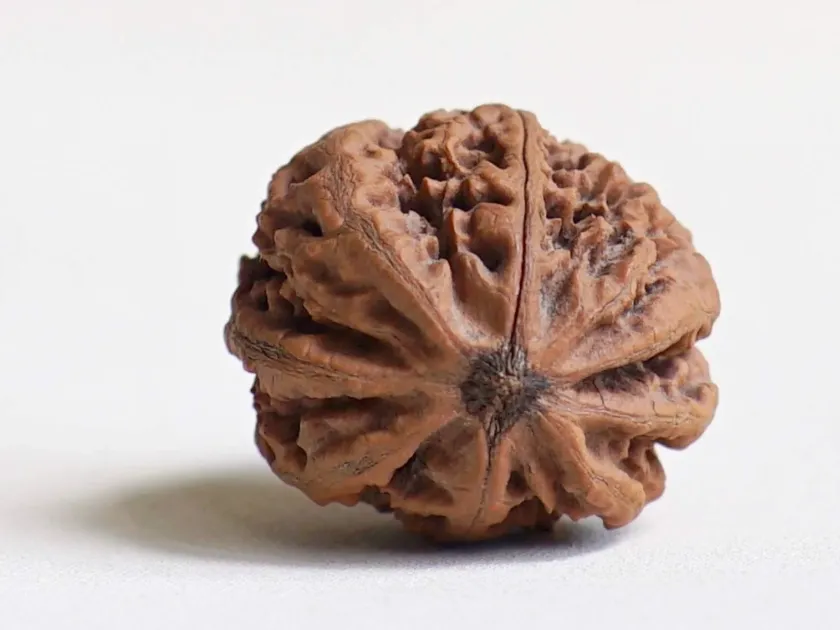
The fruit is a nut with a distinct, thick, and furrowed shell. The kernel inside is highly nutritious, containing essential fatty acids and high-quality plant proteins.
Annual yields depend on climate stability and orchard management. Healthy, mature trees can produce a substantial harvest if the conditions are optimal for pollination.
Management practices such as thinning and nutritional support are necessary to maintain consistent yield levels year after year, preventing the tree from entering alternate bearing cycles.
Beyond food production, the Hopei walnut provides valuable timber, which is highly sought after for fine woodworking due to its density and appealing grain patterns.
Main diseases and pests
Marssonina leaf spot is a common fungal threat that affects foliage, potentially weakening the tree and reducing the overall photosynthetic capacity of the canopy.
The walnut husk fly and other pests such as aphids can cause significant damage to the developing nuts and young shoots, requiring proactive integrated pest management.
Bacterial blight may pose a threat during prolonged wet seasons, manifesting as lesions on leaves and fruit. Prompt pruning of infected parts is a recommended control measure.
Poor ventilation within the canopy can exacerbate fungal infections. Strategic pruning is necessary to ensure adequate airflow, which keeps the foliage dry and healthy.
- Regular inspection for signs of fungal or insect infestation.
- Sanitary removal and disposal of fallen infected leaves.
- Application of approved fungicidal treatments during high-risk periods.
Harvesting
Harvesting begins in autumn when the green husk naturally splits, signaling that the nut is mature and ready to detach from the branch or fall to the ground.
Timely harvest is critical to prevent the nuts from lying on damp soil, which can lead to rapid quality degradation, staining of the shell, and the growth of mold.
After collection, the outer husks should be removed immediately. The nuts must be dried in a well-ventilated, shaded area until the kernel reaches 8–10% moisture content.
Improper drying will lead to rancidity or fungal infection during storage. Achieving the correct moisture balance is the most important step in post-harvest processing.
Storage should take place in a cool, dry environment with good air circulation to ensure that the nut kernels remain fresh and free from pest infestation.