
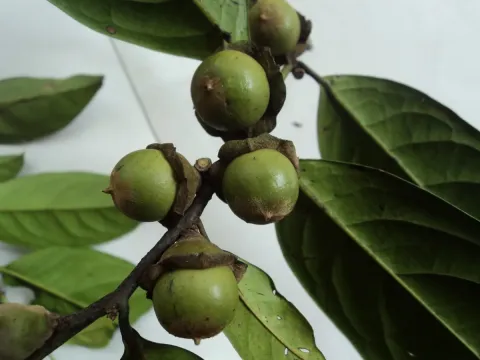
Walker's Persimmon
Diospyros walkeri
Walker's Persimmon (Diospyros walkeri) is a distinct species within the Ebenaceae family. As a lesser-known botanical subject, it embodies the complex physiological adaptations typical of the genus Diospyros in tropical habitats.
What the section contains
Walker's Persimmon
The native distribution of this species is primarily concentrated in the tropical environments of Sri Lanka. These regions provide the stable, high-humidity, and warm-year-round conditions that the species requires to complete its biological life cycle successfully.
For cultivation purposes, Walker's Persimmon demands well-drained, nutrient-rich soil that mimics the forest floor environment. Providing consistent moisture levels while ensuring adequate soil oxygenation is vital for preventing the plant from experiencing physiological stress.
Agricultural techniques focus on climate control. In protected cultivation environments, temperature should remain consistently warm, and air humidity must be carefully monitored to support healthy foliage development and vegetative growth throughout the season.
Regarding its utility, the species is primarily valued in botanical research and genetic conservation programs. Scientists analyze its unique traits to better understand the evolutionary history of the Ebenaceae family and the potential for developing new varieties.
The primary threats to Diospyros walkeri involve soil-borne pathogens and root rot induced by improper drainage management. Maintaining a balance between hydration and soil aeration is the most critical factor for ensuring long-term plant health.
Common pests include scale insects and mealybugs, which are notorious for infesting tropical trees. Integrated pest management strategies, emphasizing early detection and the use of targeted biological controls, are recommended for maintaining plant vigor.