
Texas persimmon
Diospyros texana
Description
Growing requirements
Texas persimmon (Diospyros texana) is a deciduous or semi-evergreen shrub or small tree belonging to the Ebenaceae family. It is native to the southwestern United States and northeastern Mexico, where it thrives in rocky, limestone-rich soils.
This species is well-known for its remarkable drought tolerance. It is highly adapted to arid conditions and can survive prolonged periods without supplemental watering, making it an excellent candidate for xeriscaping or water-wise landscapes.
Regarding soil requirements, Texas persimmon prefers well-drained substrates. It is particularly well-adapted to alkaline soils and performs poorly in heavy, waterlogged clays. Good aeration and drainage are essential for the health of its root system.
The tree thrives in full sun, which is necessary for vigorous growth and maximum fruit production. While it is hardy and can tolerate light frosts, it performs best in regions with long, warm growing seasons and relatively mild winters.
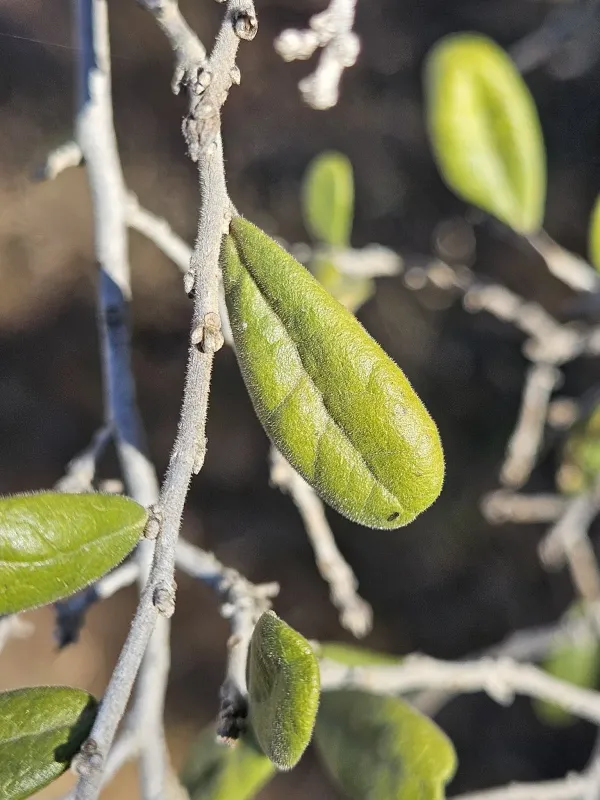
Botanically, the tree is distinct for its smooth, gray bark that peels away to reveal creamy or pinkish inner layers. The leaves are small, leathery, and dark green, contributing to the plant's year-round visual appeal and utility in landscaping.
Yield
The fruit of the Texas persimmon is a small, globular berry that turns from green to black upon maturity. These fruits are edible and possess a sweet, slightly tart flavor that is popular among locals and wildlife alike.
Yield capacity is largely determined by local environmental conditions and the amount of sunlight the tree receives. In favorable years with adequate moisture early in the season, a single tree can produce a substantial harvest of fruit.
Harvesting usually occurs in late summer or early fall. The fruits are quite soft when fully ripe, so they must be gathered carefully to prevent bruising. They are frequently used to make jellies, jams, and even baked goods.
The wood of the Texas persimmon is extremely dense, hard, and close-grained. It is often referred to as a type of ebony and is highly sought after by woodworkers for crafting small items, tools, and decorative carvings.
Beyond human consumption, the tree provides vital sustenance for many species of birds and mammals. The fruit is a significant component of the natural diet for local fauna, which plays a key role in seed dispersal.
Main diseases and pests
Texas persimmon is generally a robust and low-maintenance plant, exhibiting significant resistance to most common pests and diseases found in ornamental fruit tree orchards.
Root rot is the primary threat to this species, occurring almost exclusively in environments where drainage is poor or the soil is constantly saturated. Avoiding waterlogged sites is the most effective prevention strategy.
Fungal infections of the foliage can occasionally occur in humid or overcrowded conditions. Proper pruning to ensure adequate airflow within the canopy can significantly mitigate these risks and keep the tree healthy.
While insect infestations such as scale or mealybugs can occasionally affect the plant, they rarely reach levels that threaten the life of the tree. Regular monitoring is usually sufficient to maintain control.
In summary, the best management practice for this species is a "hands-off" approach that respects its natural adaptations. Minimal intervention, proper placement in the landscape, and occasional maintenance pruning are all that is required for success.