
Pond cypress
Taxodium distichum (L.) Rich. var. imbricarium (Nutt.) H. B. Croom
Description
Growing requirements
The pond cypress (Taxodium distichum var. imbricarium) is a member of the Cupressaceae family. It is a deciduous conifer that is widely recognized for its ability to thrive in aquatic environments, making it a staple of wetland forest ecosystems.
Native to the southeastern United States, this variety is well-adapted to swampy, boggy, and seasonally flooded landscapes. While it prefers moist environments, it can be cultivated in well-drained garden soil provided that irrigation is consistent and reliable.
For optimal growth, pond cypress requires full sun exposure and deep, nutrient-rich soils. It is relatively tolerant of various soil pH levels, though it performs best in slightly acidic to neutral conditions. Protection from extreme drying winds is recommended for young trees.
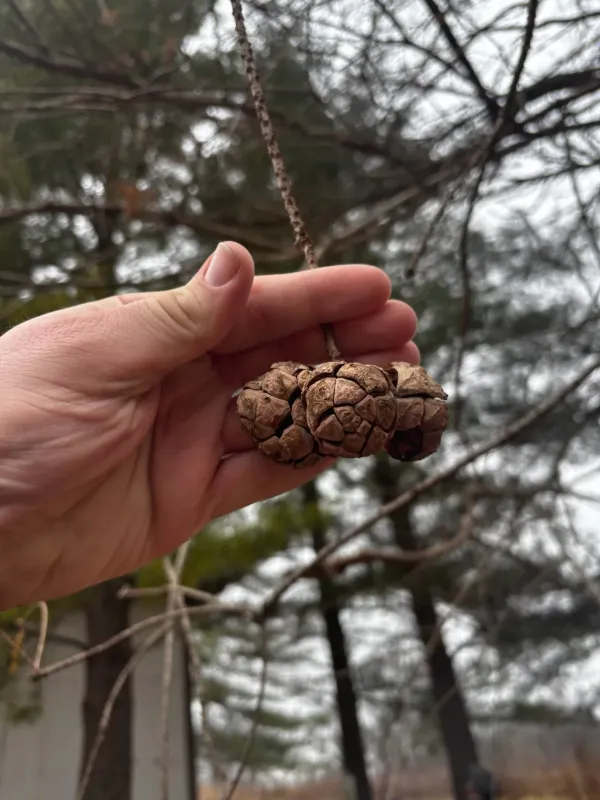
Botanically, the pond cypress is distinguished by its scale-like leaves that are pressed against the stem, giving it a unique imbricated appearance. The tree is famous for producing knees (pneumatophores) that emerge from the roots to assist in gaseous exchange in waterlogged soils.
Economically, the species is highly valued for its ornamental appeal in landscaping around water features. Its rot-resistant timber has historically been used in construction, shingles, and boat building, highlighting the physical durability of the tree's wood.
Main diseases and pests
Pond cypress is generally considered a hardy species with few severe natural enemies. However, in garden settings, the tree may occasionally succumb to fungal infections, especially if the planting site lacks sufficient air movement and drainage.
Common pests include spider mites and various types of aphids, which can damage the foliage during periods of prolonged drought or heat. These pests are primarily an issue for younger, less established specimens that have not yet developed a strong root system.
Management of pest populations is best achieved through integrated pest management techniques. Regular monitoring of the foliage and proper hydration are essential to ensure the tree maintains its vigor and natural resistance to infestations.
In cases where fungal blight or rust becomes a concern, the application of copper-based fungicides can be an effective control method. Always follow label instructions and ensure that the product is applied in favorable weather conditions to maximize efficacy.
Maintaining proper soil nutrient balance is key to preventing chlorosis, which can weaken the tree's immune system. Regular pruning of dead or diseased tissue is a standard agricultural practice to maintain the health and structural integrity of the canopy.