
Bald cypress
Taxodium distichum (L.) Rich.
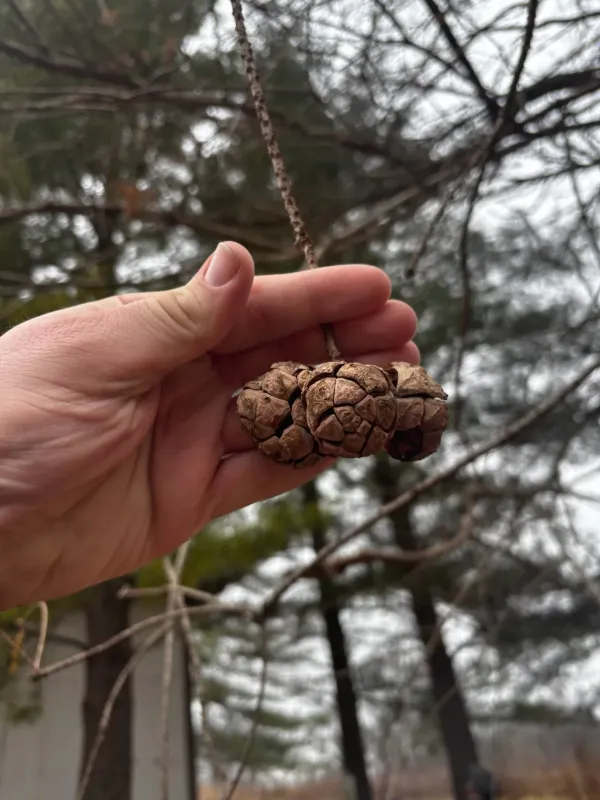
Description
Sowing dates
Propagation of the bald cypress is primarily achieved through seeds, which require a cold stratification period of two to three months at temperatures between 1 and 5 degrees Celsius to break dormancy. Spring is the optimal time for sowing in nursery settings.
Seeds should be planted in a well-drained, nutrient-rich potting medium at a depth of approximately 1 to 2 centimeters. Maintaining consistent soil moisture is crucial, as the seeds are highly susceptible to desiccation during the germination phase.
Vegetative propagation via cuttings is possible but challenging, as the rooting success rate is generally low without the use of specialized rooting hormones. Cuttings are typically taken during the dormant season and placed in a high-humidity environment.
Young saplings require a period of growth in nursery beds where they are carefully acclimatized to ambient environmental conditions. Transplanting to a permanent location should be carried out in early spring to minimize transplant shock.
Cultural practices include the application of organic mulch around the base of young trees, which helps retain moisture and provides insulation for the roots during extreme weather fluctuations.
Growing requirements
The bald cypress, a member of the Cupressaceae family, is a distinct deciduous conifer known for its remarkable ability to thrive in saturated soil conditions. Its natural habitat includes wetlands and river floodplains in North America.
The tree requires consistently moist soil for optimal health and vigor. It is well-known for producing unique anatomical structures called pneumatophores, or "knees," which facilitate gas exchange when the roots are submerged in standing water.
Bald cypress prefers deep, acidic to neutral, fertile soils but exhibits notable adaptability in parkland settings. Site selection should emphasize exposure to direct sunlight, as the species is intolerant of heavy shade and may suffer from stunted growth.
Climate tolerance includes a broad range of temperatures; mature specimens are capable of surviving cold snaps down to -25 degrees Celsius. However, a long, warm growing season is essential for the tree to reach its full size potential.
Strategic planting should account for the tree's significant eventual size. Providing adequate spacing allows for the development of its characteristic buttressed trunk and wide-spreading canopy, which are vital for its structural stability.
Main diseases and pests
Bald cypress is generally resistant to major pests and diseases, particularly when planted in sites that mirror its natural hydrological preferences. However, failure to maintain appropriate soil drainage can predispose the tree to root rot.
The spider mite is the most frequent pest encountered, particularly in regions experiencing prolonged hot and dry conditions. Regular crown irrigation can serve as a simple, effective preventative measure against mite infestations.
Larvae of soil-dwelling beetles may occasionally cause damage to the root systems of young trees in nursery environments. Where necessary, the targeted application of soil-applied insecticides can effectively manage these populations.
Powdery mildew may occasionally affect foliage, particularly if trees are planted in high-density areas with poor air circulation. Pruning for structural health and thinning the canopy can prevent such issues.
Maintaining high plant vigor through proper site selection and balanced fertilization during the establishment phase is the best strategy to ensure long-term resistance to potential environmental and biological stressors.