
Coast redwood
Sequoia sempervirens (D. Don) Endl.
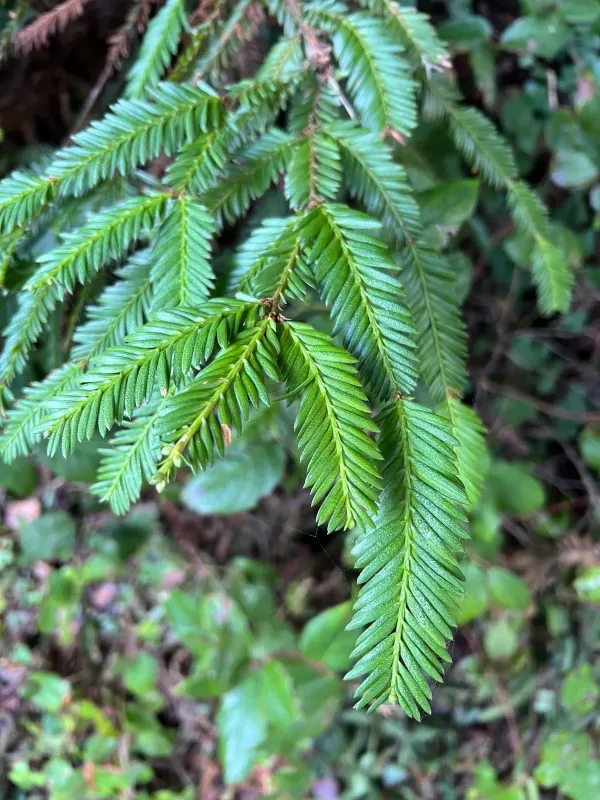
Description
Growing requirements
The coast redwood (Sequoia sempervirens) is a magnificent member of the Cupressaceae family, known for its status as the tallest tree species on Earth. Naturally, it thrives in the unique microclimate of the Pacific Coast, characterized by persistent fog and mild temperatures.
Cultivating this species requires a temperate climate with high atmospheric humidity. It is sensitive to extreme temperature fluctuations and hard freezes, which limits its successful establishment to specific geographic regions that mimic its native coastal environment.
The soil requirements involve deep, well-drained, and nutrient-rich loams. The species thrives in slightly acidic to neutral soils that provide adequate moisture retention while ensuring sufficient aeration for the deep root system to prevent waterlogging.
Agricultural management includes consistent irrigation practices during the growing season. Applying organic mulch is essential to maintain soil moisture levels and protect the roots from sudden thermal changes, which is vital for young, developing trees.
Proper spacing is a critical factor for long-term health and wood production. Planting sites should allow for the massive expansion of both the root system and the canopy, ensuring that individual trees receive adequate light while being protected from harsh winds.
Main diseases and pests
The primary threats to coast redwoods include various fungal pathogens that flourish in poorly drained soils or conditions with inadequate air circulation. Root rot diseases are the most significant concern in dense or poorly managed plantations.
Insect pests, including wood-boring beetles and aphids, can cause substantial damage to trees that are already stressed by drought or suboptimal soil nutrients. Regular inspections of the foliage and bark are necessary to detect outbreaks early.
Environmental stressors such as air pollution or changes in groundwater quality can negatively affect the health of the trees, often leading to chlorosis. Maintaining soil health and preventing chemical contamination is crucial for the tree's vitality.
Protective measures involve careful sanitation, including the removal of infected branches and ensuring proper airflow. The use of specialized fungicides is reserved for managing outbreaks and preventing the spread of diseases within nurseries or young stands.
Coast redwoods possess a high degree of natural resilience due to the presence of tannins in their wood, which makes them less attractive to many typical pests. Nonetheless, a proactive approach to tree health management is key to maintaining long-term vitality.