
Hop-hornbeam
Ostrya carpinifolia Scop.
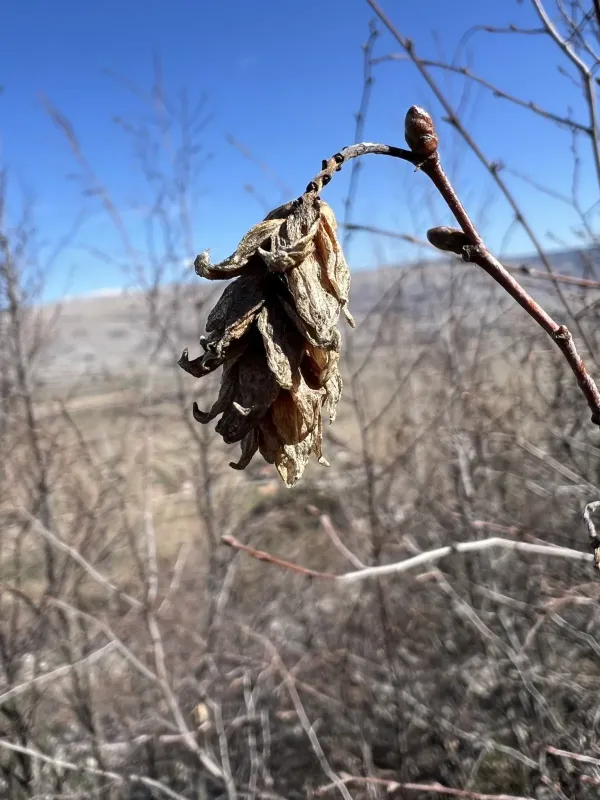
Description
Growing requirements
The European hop-hornbeam (Ostrya carpinifolia) is a deciduous tree in the birch family, Betulaceae. Native to Southern Europe and Asia Minor, it is known for its ability to thrive in harsh, rocky terrains where other species struggle to establish.
The species grows to a height of 20 meters and is characterized by its grayish-brown bark and hop-like clusters of fruit that protect the seeds. These distinct fruiting catkins are the primary feature that differentiates it from the common hornbeam.
Regarding cultivation requirements, this tree prefers well-drained, calcareous, and slightly rocky soils. It is highly valued for its drought tolerance, which makes it an excellent choice for reforestation projects in Mediterranean-type climates.
Sunlight is a key factor for development; while young trees can tolerate partial shade, mature specimens require significant exposure to maximize their growth rates. Proper spacing is essential to prevent overcrowding and ensure healthy crown development.
Economically, the wood is extremely dense and hard, leading to the nickname "ironwood." It is traditionally used for high-friction components, tool handles, and premium charcoal production in specialized forestry sectors.
Main diseases and pests
The hop-hornbeam is generally resistant to most pests and diseases common in deciduous forests. Its thick bark and slow growth habit contribute to its overall resilience in natural habitats.
The primary concern for growers is root rot (Phytophthora spp.), which occurs when trees are planted in poorly drained, waterlogged soils. Ensuring effective drainage is the most vital step in preventing such outbreaks.
During the establishment phase, young trees may be susceptible to damage from small mammals that feed on the tender bark. Protecting the base of the trunk during the first few years is recommended.
While leaf-feeding insects may occur, they rarely reach populations capable of causing significant economic damage. Biological diversity within the orchard or forest stand usually keeps such populations in check.
General health management involves monitoring for any signs of bark lesions or crown dieback. Maintaining soil fertility and avoiding mechanical damage to the trunk significantly reduces the risk of long-term disease issues.