
Andean alder
Alnus acuminata Kunth
Description
Growing requirements
The Andean alder (Alnus acuminata) is a tree species belonging to the Betulaceae family. Native to the mountainous regions of Central and South America, it is highly valued for its rapid growth and ability to thrive at elevations ranging from 1,000 to 3,000 meters. It is a key species in high-altitude forestry management.
The culture thrives in cool, moist environments and is remarkably adaptable to various soil types. A unique biological feature is its symbiosis with nitrogen-fixing bacteria, which allows the tree to flourish on nutrient-poor soils. This makes the species an excellent candidate for the ecological restoration of degraded landscapes.
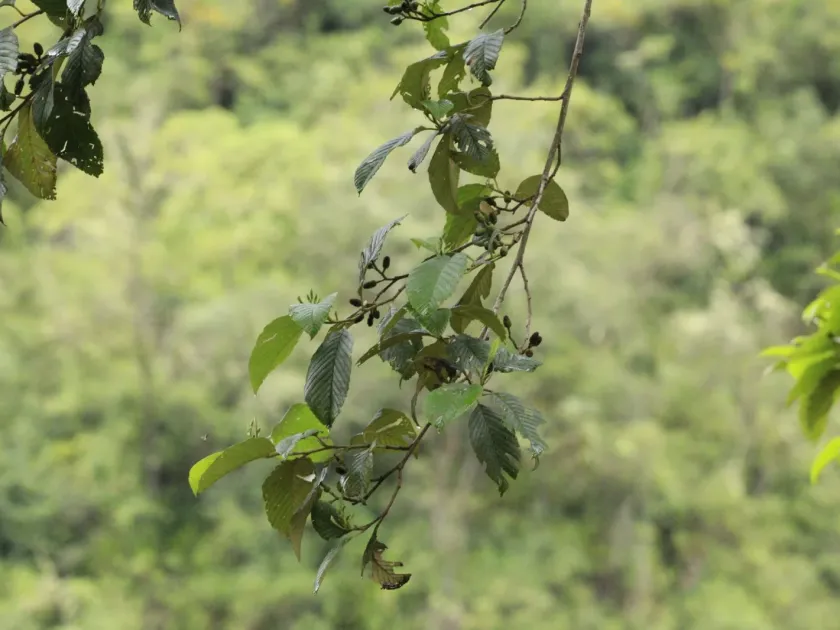
Botanically, the Andean alder is characterized by its pointed, ovate leaves and strong root system that aids in soil stabilization. The tree produces catkins and small nut-like fruits that contribute to effective self-seeding. Its growth habit is upright, reaching significant heights within just a few decades.
Agrotechnical management primarily involves selecting appropriate sites with sufficient moisture and adequate spacing to ensure optimal sunlight access. As a nitrogen-fixing species, it acts as a natural fertilizer, continuously enriching the topsoil with nutrient-rich leaf litter, which benefits the surrounding vegetation.
In terms of economic utility, the wood is widely used in the furniture industry, for construction, and as a source of pulp. Its uniform grain and ease of processing make it a preferred material for high-quality carpentry. Furthermore, it is extensively used in agroforestry systems to create windbreaks and protect crops.
Main diseases and pests
The primary threat to Andean alder plantations is the fungal pathogen Phytophthora alni, which leads to root rot and systemic decline. Managing the moisture levels and avoiding waterlogging is a critical preventive measure to maintain the health of the root system against these pathogens.
Leaf-eating insects, such as chrysomelid beetles, pose a recurring risk, particularly in young plantations. Heavy infestation can lead to significant defoliation, which severely hampers the tree's photosynthetic capability and slows down the annual biomass increment.
Wood-boring pests can also cause damage to older or stressed trees. Maintaining tree vigor through proper site selection and avoiding mechanical injury to the bark helps prevent successful colonization by these insects, which are attracted to stressed and weakened specimens.
Sanitation cutting is the most effective approach to disease management. By promptly removing symptomatic or dead trees, the spread of fungal spores and pest larvae to healthy neighbors can be significantly curtailed, preserving the overall integrity of the forest stand.
Integrated pest management strategies focusing on biological control are preferred over synthetic pesticides. Encouraging natural predators and maintaining ecological corridors within the forest promotes a self-regulating system that effectively keeps potential threats at manageable levels.