
Italian alder
Alnus cordata (Loisel.) Duby
Description
Growing requirements
The Italian alder (Alnus cordata) is a deciduous tree belonging to the Birch family (Betulaceae). It is native to the mountains of southern Italy and Corsica, where it has adapted to diverse soil conditions and altitudes.
Unlike many other alder species that strictly require wet soil, the Italian alder is notably drought-tolerant. This trait allows it to thrive in various landscapes, from parklands to reforestation sites with moderate moisture levels.
The tree prefers deep, well-drained, and nutrient-rich soils. However, it displays a remarkable tolerance for alkaline and limestone soils, making it a versatile choice for sites where other tree species struggle to establish.
Italian alder requires full sun to maintain its dense, pyramidal, and uniform crown shape. It is also resistant to wind and urban pollution, making it an excellent candidate for city avenues and industrial green belts.
A key biological advantage of this tree is its root system, which hosts nitrogen-fixing bacteria. This symbiotic relationship helps enrich the surrounding soil, making it a valuable plant for land reclamation projects.
Main diseases and pests
Italian alder is generally more resistant to many diseases that typically affect native European alder species, making it a robust choice for planting in various geographic locations.
Despite its vigor, it can be susceptible to Phytophthora species, which are known to cause root rot in poorly drained conditions where soil aeration is insufficient for extended periods.
Insect pests, including the alder leaf beetle, can occasionally cause significant foliage damage. Such outbreaks are more frequent in unusually hot and dry seasons that place stress on the trees.
Gall mites can infest the leaves, creating small, unsightly bumps on the surface. While these infestations rarely kill the tree, they can impact its ornamental value in public spaces.
Good silvicultural practices, including site preparation with proper drainage and monitoring for early signs of pests, are essential for maintaining a healthy and productive stand of Italian alder.
Harvesting
The Italian alder is valued in forestry for its fast growth rate and high-quality wood. When managed in plantations, it reaches harvestable size in a relatively short period, providing wood for the timber industry.
The wood is appreciated for its uniform grain, moderate hardness, and ease of working. It is frequently used in the manufacturing of high-quality furniture, cabinet making, and various decorative wooden articles.
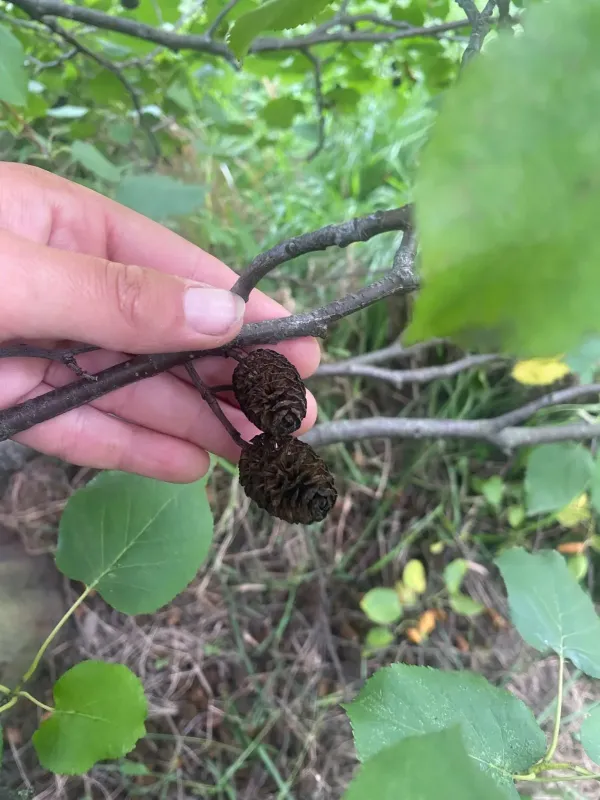
In landscaping and urban planning, the tree is prized for its attractive dark green, glossy, cordate leaves and the persistent, cone-like strobiles that provide visual interest throughout the dormant season.
The tree also serves as a critical component in environmental protection, as it is effective at stabilizing slopes and preventing erosion due to its extensive and deep-reaching root system.
Furthermore, Italian alder is used to create shelterbelts that protect crops and orchards from strong winds, effectively enhancing the microclimate for other agricultural activities on the farm.