
Lusitanian alder
Alnus lusitanica Vít et al.
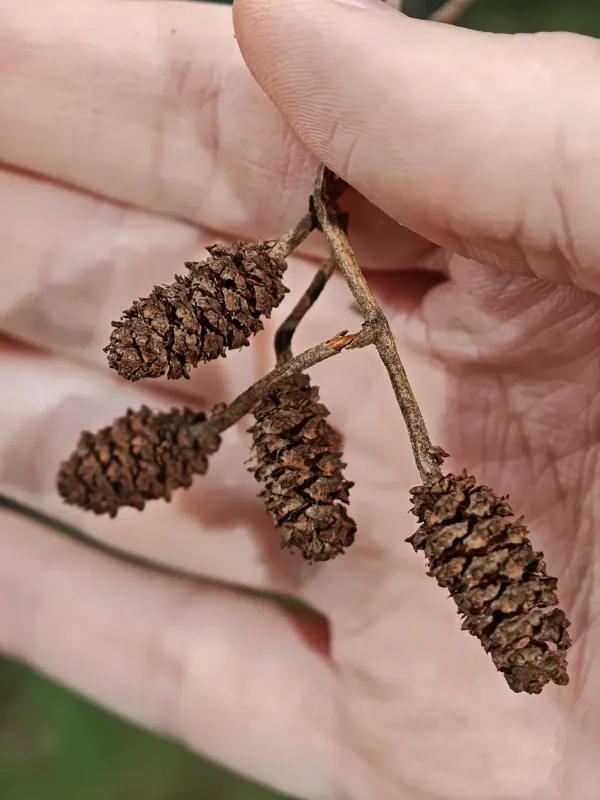
Description
Growing requirements
Lusitanian alder (Alnus lusitanica) is a deciduous tree belonging to the Betulaceae family, primarily native to the Iberian Peninsula region.
This culture thrives in moist habitats, typically growing along riverbanks, streams, and areas with high groundwater levels. The plant serves as a vital component of riparian ecosystems, aiding in soil stabilization.
The tree is adapted to mild climates with sufficient rainfall. It is highly demanding regarding soil moisture and exhibits significant tolerance to periodic flooding, commonly found in floodplain environments.
In agroforestry, this species is highly regarded for its symbiotic relationship with nitrogen-fixing bacteria. This capability allows the plant to enrich the soil with nitrogen, benefiting overall land health.
Successful cultivation requires deep, organic-rich soils with a neutral or slightly acidic pH, which provides the optimal environment for the tree’s extensive root system to develop.
Yield
The economic utilization of Lusitanian alder focuses on the production of medium-quality timber, widely used in the furniture industry and for plywood manufacturing.
The wood is noted for its softness and ease of processing, making it a preferred material for cabinetmaking, interior carpentry, and decorative applications.
Beyond its timber value, the plant plays a crucial role in landscape design and reforestation projects. Its rapid early growth makes it an excellent candidate for establishing shelterbelts.
The biomass of this alder species may also serve as feedstock for the cellulose industry or as a source of renewable energy, highlighting its versatility.
Yield metrics depend on planting density and hydrological conditions; under optimal management, the trees can reach commercial maturity within 20 to 30 years.
Main diseases and pests
The primary threat to Alnus lusitanica populations is the pathogenic fungus Phytophthora alni, which causes the severe disease known as alder root rot.
The infection leads to bark necrosis, branch dieback, and eventual tree mortality, causing significant ecological and economic losses in forest management.
Among pests, the alder leaf beetle is particularly concerning, as it can cause extensive defoliation, thereby weakening the tree and reducing its biomass productivity.
The tree is also susceptible to various types of bark canker, which can enter through physical wounds on the trunk, facilitating the spread of secondary infections.
To mitigate these risks, it is recommended to maintain regular monitoring of plantation health and ensure that no mechanical damage occurs to roots or stems during forestry operations.