
Black alder
Alnus glutinosa (L.) Gaertn.
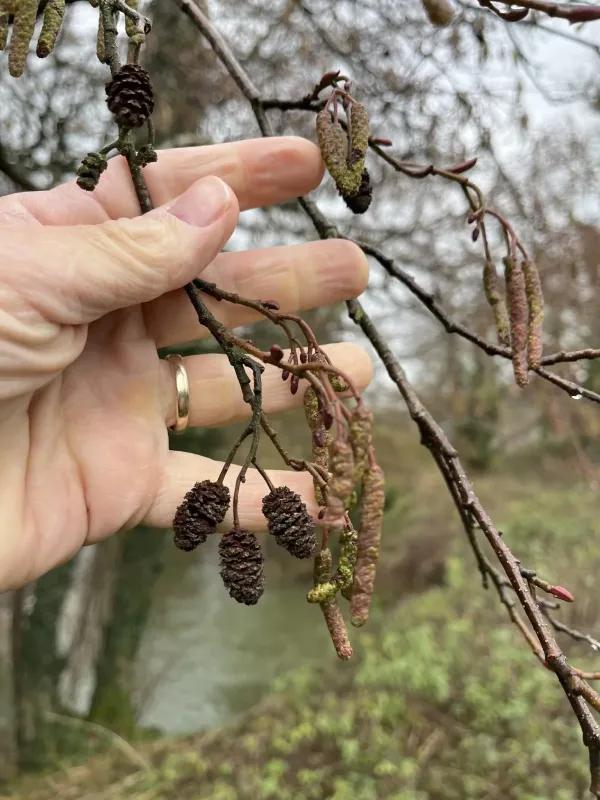
Description
Sowing dates
Black alder is primarily propagated by seeds, which should be sown in autumn immediately after collection or in spring following a 1–2 month stratification period at 1–5°C.
When grown in nurseries, seeds are sown at a depth of 0.5–1 cm into moist, well-aerated soil, requiring consistent irrigation to ensure uniform germination across the seedbed.
Vegetative propagation via stump sprouts is also highly effective, allowing for rapid regeneration of stands following timber harvesting without the need for manual reseeding.
The optimal time for transplanting saplings is early spring before bud break or late autumn, allowing the roots to establish slightly before the onset of winter dormancy.
The species is known for its rapid growth rate during the juvenile stage, making it an excellent candidate for fast reforestation projects on logged or wetland areas.
Growing requirements
As a member of the Betulaceae family, the black alder has high moisture requirements, typically thriving in floodplains, along riverbanks, and in lowland marshy soils.
It prefers fertile, nitrogen-rich loamy soils and possesses a unique ability to survive in acidic conditions due to its symbiotic relationship with nitrogen-fixing actinomycetes.
While moderately light-demanding, alder can tolerate some shade in its early years, though it requires full sun exposure to reach its maximum timber growth potential.
The species is hardy and frost-tolerant, but young shoots can be sensitive to late spring frosts, which may cause temporary growth stunting in colder climate zones.
In agroforestry, black alder is frequently utilized for land drainage, as its extensive root system effectively lowers the water table in permanently waterlogged ground.
Yield
The economic value of black alder is primarily derived from its high-quality timber, which is highly sought after for furniture making, plywood, and joinery.
In plantation settings, black alder can yield between 200 and 350 cubic meters of wood per hectare at a harvest age of 40 to 60 years, depending on site quality.
Its timber is valued for its uniform texture, ease of machining, resistance to rot when submerged in water, and an attractive pinkish hue that appears upon cutting.
Beyond timber, the catkins (cones) and bark are harvested for medicinal applications, as they contain tannins and flavonoids used in natural anti-inflammatory remedies.
The leaf litter from black alder is highly beneficial for soil health, naturally increasing nitrogen content and improving the overall productivity of the surrounding ecosystem.
Main diseases and pests
The alder leaf beetle is the primary pest species; its larvae can cause extensive defoliation, leading to significant stress and reduced growth rates in mature trees.
Fungal diseases, such as Phytophthora root rot, pose a severe threat, particularly in poorly drained or waterlogged soils where the pathogen spreads rapidly through water.
Stem-boring insects, including longhorn beetles and bark beetles, often attack weakened trees, damaging the vascular tissue and compromising the structural integrity of the wood.
Unfavorable environmental conditions, including prolonged summer droughts or sudden shifts in groundwater levels, can trigger dieback in branches and overall tree decline.
- Regular health monitoring of stands to identify early signs of infestation.
- Prompt removal and destruction of infected timber to prevent pathogen spread.
- Strategic selection of planting sites to match the species' moisture requirements.
Harvesting
Harvesting of black alder stands typically occurs between 40 and 60 years of age, once the trees reach technical maturity and optimal trunk diameter for wood production.
Logging practices must prioritize the preservation of the delicate soil structure in wetland habitats to minimize ecological disruption during the extraction process.
Harvesting for medicinal purposes follows specific seasonal schedules: bark is stripped in spring, while catkins are collected during the late autumn or winter months.
Proper sorting immediately after felling is essential, as alder wood is prone to oxidation and darkening if exposed to air for extended periods without correct drying.
The capacity of black alder to regenerate via stump sprouts makes it a highly sustainable crop, as it supports continuous cycles of harvest with minimal replanting efforts.