
Green alder
Alnus viridis (Chaix) DC. subsp. viridis
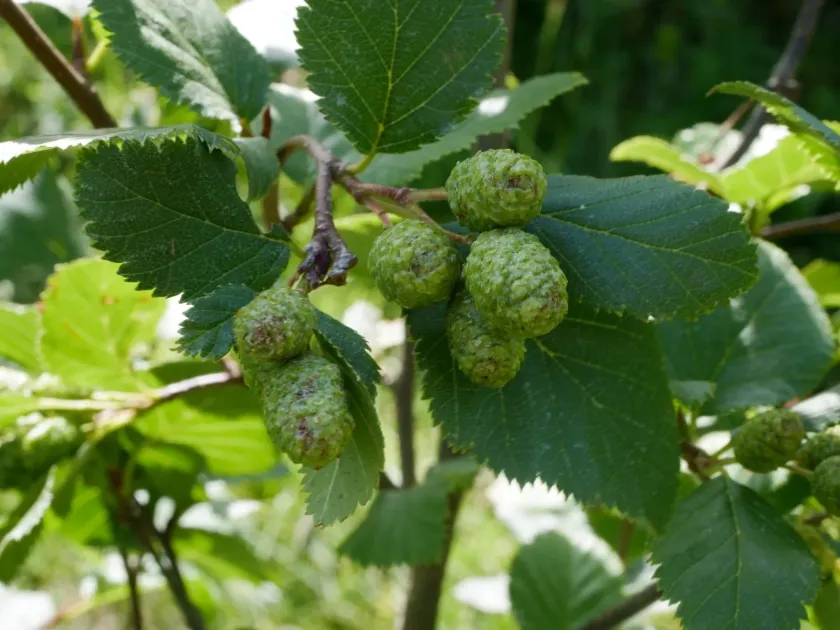
Description
Growing requirements
Green alder (Alnus viridis), belonging to the Betulaceae family, is a deciduous shrub species characterized by its shrubby growth habit. Unlike its taller relatives, it typically grows in dense thickets and is highly valued for its ability to stabilize terrain in harsh environments.
Native to the mountain ranges of Europe, green alder is adapted to cold, high-altitude climates. It is frequently found in subalpine regions where it endures significant wind exposure and long winter periods. The species is highly resistant to frost, making it a reliable choice for cultivation in challenging northern or elevated agricultural zones.
The cultural requirements are focused on well-drained, moist soils with adequate organic content. While the plant can establish itself on rocky debris, it thrives best in acidic to neutral soil types. It is particularly noted for its symbiotic relationship with nitrogen-fixing bacteria located in root nodules, which effectively improves soil nitrogen levels.
Agrotechnical management is relatively low-maintenance once the shrub is established. Green alder requires full sun to partial shade for optimal density and vigor. It is an excellent pioneer species, often planted in areas where the restoration of soil health or the prevention of slope erosion is a primary land management goal.
The agricultural and environmental use of this shrub includes landscape restoration and the creation of windbreaks. Its root system is exceptionally strong, forming a dense network that binds soil particles together, thereby reducing the risk of landslides and washouts in mountain agricultural settings.
Main diseases and pests
Common health issues include fungal diseases such as leaf rust and various leaf spots. These pathogens often become problematic in humid climates or in plantations with poor air circulation, necessitating regular monitoring of the foliage condition.
Pests that frequently target Alnus viridis include the alder leaf beetle, which can cause significant defoliation during the peak summer months. Additionally, certain types of aphids and sawflies can cause damage to young shoots, requiring integrated pest management strategies to protect the shrub's growth.