
Red alder
Alnus rubra Bong.
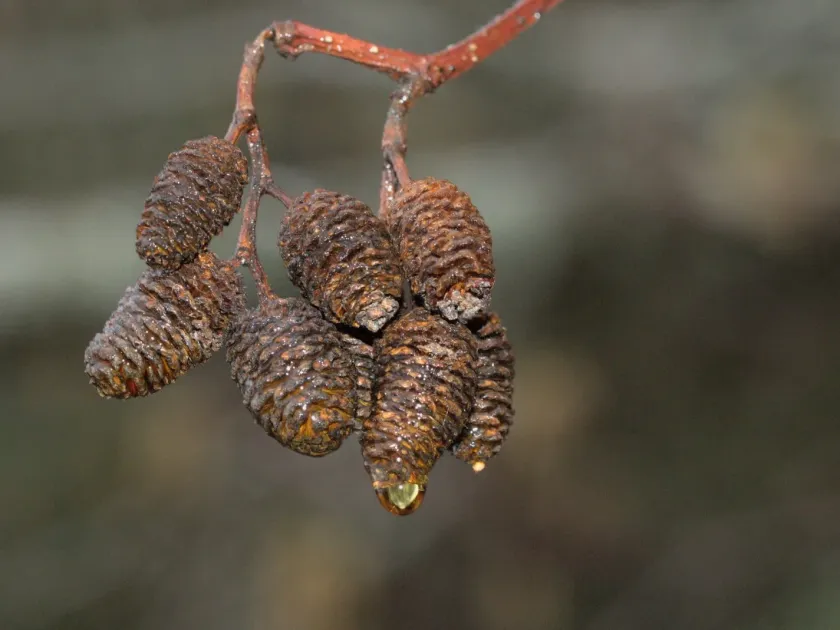
Description
Growing requirements
Red alder (Alnus rubra) is a deciduous tree belonging to the Betulaceae family. It is native to the west coast of North America and is widely recognized for its rapid growth rate, making it a critical species in both ecological restoration and sustainable forestry projects.
The climate requirements for Alnus rubra are quite specific, favoring regions with mild, maritime climates. It thrives in areas with high annual precipitation and moderate temperatures, as it is sensitive to both severe drought and extreme freezing conditions during the growing season.
Regarding soil preferences, Red alder performs best in deep, well-drained, and nutrient-rich soils. A distinct biological feature of this species is its ability to host nitrogen-fixing bacteria in its root nodules, which significantly improves soil fertility for itself and neighboring plant species.
Successful silviculture requires careful light management. As a shade-intolerant pioneer species, Red alder requires full exposure to sunlight to develop a straight and high-quality trunk. Thinning operations are essential in dense stands to ensure optimal individual tree development.
The economic value of Red alder is primarily derived from its high-quality, fine-grained wood, which is highly sought after by the furniture and cabinetry industries. Furthermore, its role as a pioneer species makes it an invaluable asset for rehabilitating logged areas.
Main diseases and pests
The most significant pathological threat to Red alder stands is the development of Valsa canker. This fungal infection attacks the stems and branches, often leading to canopy dieback and rendering the wood unusable for commercial purposes in severe cases.
Various insect pests, such as the alder flea beetle, can cause substantial defoliation during the peak of the growing season. Periodic monitoring is required to prevent widespread outbreaks that could stunt growth and weaken the physiological vigor of the trees.
Preventative management is the most effective approach against threats. By selecting well-drained sites and ensuring optimal spacing between trees, foresters can reduce the micro-climatic humidity levels that favor the spread of fungal pathogens in the stands.
Wildlife browsing constitutes a major threat to newly established plantations. Protecting young stems with individual physical barriers is necessary in areas where deer or elk populations are high, as bark damage can lead to structural weakness and disease entry.
Soil management plays a vital role in tree health. Compacted soils or sites with poor drainage can stress the root system, making the trees more susceptible to opportunistic pathogens and reducing their overall resilience to environmental stressors.