
Farges fir
Abies fargesii
Description
Growing requirements
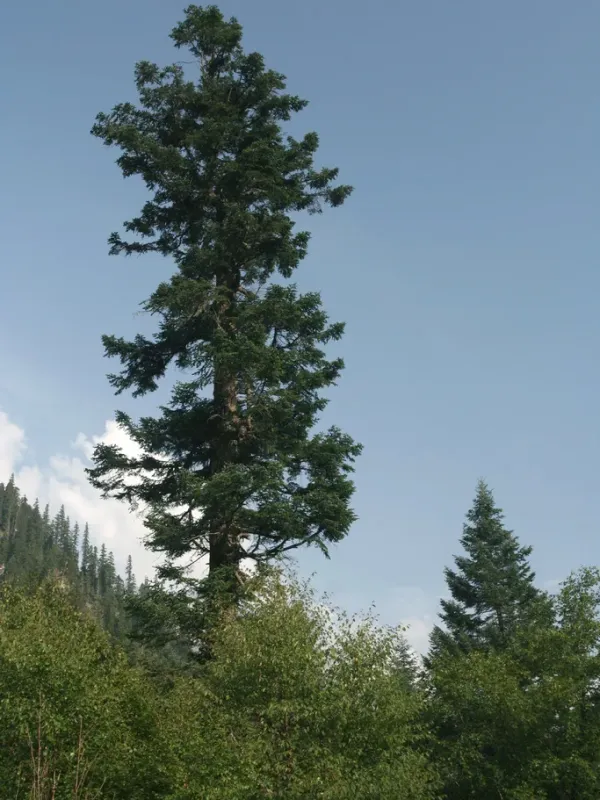
The Farges fir (Abies fargesii) belongs to the Pinaceae family. It is a coniferous evergreen tree native to the mountainous regions of central and western China, typically found at high altitudes ranging from 1500 to 3700 meters.
This species requires deep, fertile, and well-drained soils to thrive. It is sensitive to soil compaction and waterlogging, making proper site selection and soil preparation essential for the longevity of the plant in a landscape or nursery setting.
Climatically, the Farges fir prefers cool, humid environments with protected exposure. While it can tolerate shade, young trees benefit from light shelter to prevent sunscald and extreme temperature fluctuations that can damage young shoots.
Agrotechnical maintenance includes regular irrigation during dry spells to maintain consistent soil moisture. Mulching is highly recommended to regulate soil temperature and retain moisture in the root zone throughout the growing season.
The Farges fir is primarily valued for its ornamental appeal, characterized by its elegant form and distinct needles. It serves as an excellent specimen tree for large gardens and arboretums where environmental conditions meet its specific needs.
Main diseases and pests
Fungal infections such as needle cast and rust are the primary disease threats. These pathogens often manifest in humid, stagnant air conditions, necessitating proper spacing and regular pruning to improve airflow within the canopy.
Pests such as aphids, adelgids, and spider mites can significantly impact the health of the fir. These pests feed on the foliage, often resulting in discoloration, needle drop, and stunted growth if left unmanaged by integrated pest control.
Root rot caused by Phytophthora species is a serious risk, especially in heavy or poorly drained soils. Prevention involves using high-quality nursery stock and ensuring that drainage systems are fully functional before planting.
Environmental stress can make the tree susceptible to secondary infestations of bark beetles. Maintaining vigorous growth through balanced fertilization and adequate water supply is the best defense against these opportunistic attackers.
Monitoring for any signs of distress is crucial for early intervention. Using specialized horticultural oils or systemic insecticides, when necessary, helps maintain the health and aesthetic value of the Farges fir.