
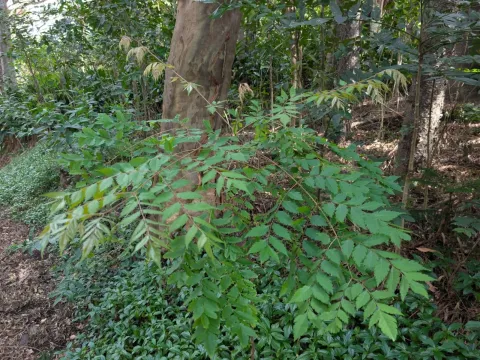
Koelreuteria
Koelreuteria
Sowing Koelreuteria seeds is typically performed in the autumn, allowing them to undergo natural stratification within the soil over the winter months. For spring sowing, seeds require cold stratification for at least two to three months to ensure successful germination.
What the section contains


Koelreuteria
The seeds should be sown at a depth of 1–2 centimeters into a well-drained, nutrient-rich substrate. Using containers for initial growth is highly recommended to protect young seedlings from environmental stresses and ensure proper maintenance.
Scarification of the hard seed coat is often beneficial to improve water absorption and accelerate the germination process. Maintaining constant moisture levels in the growing medium is crucial during the initial weeks of development.
Seedlings show slow initial growth rates, so weeding and adequate irrigation are vital in the early stages of life. Transplantation to a permanent location should ideally take place when the plant is 3 to 4 years old, using a container-grown specimen.
Choosing a site with full sun exposure is the most important factor for vigorous growth. Depending on the intended use, such as street planting or landscape design, specimens should be spaced 4–6 meters apart to allow for proper crown development.
Koelreuteria belongs to the Sapindaceae family and consists of several deciduous species native to East Asia, including China and Korea. It is widely recognized for its spectacular yellow flowers and papery, lantern-like fruit pods.
The tree requires full sunlight to bloom effectively and maintain a dense crown structure. It is highly adaptable to various soil types, ranging from sandy loam to rocky substrates, provided they are well-drained and not prone to waterlogging.
Soil pH should ideally be neutral or slightly alkaline, though the tree can tolerate a broad range of conditions. It exhibits moderate drought tolerance once established, making it a sustainable choice for urban environments and xeriscaping.
Climate requirements include warm, temperate conditions; young trees are susceptible to extreme frost and may require protection during their first few years. As the tree matures, its hardiness increases, allowing it to withstand cooler winters.
Maintenance is relatively straightforward, requiring periodic fertilization in the spring to encourage leaf and flower production. Pruning should be restricted to removing dead or damaged wood to maintain the tree's natural shape.
Koelreuteria is generally considered a low-maintenance tree with few severe health issues. However, poor drainage remains the primary cause of plant failure, leading to root rot when the soil remains saturated for long periods.
Powdery mildew is occasionally observed, particularly in climates with high humidity and poor air circulation. Proper spacing and thinning of the crown can significantly reduce the risk of this fungal disease appearing on the foliage.
Insect pests, such as aphids, may occasionally infest young, tender growth during the early spring months. Controlling these populations is usually simple with the application of horticultural soap or standard insecticides when necessary.
Wood-boring insects are rarely a problem for healthy, vigorous trees, but they may attack stressed specimens. Ensuring the tree is well-watered and correctly fertilized helps maintain the plant's natural defense mechanisms.
Regular inspection of the foliage and bark is recommended to detect any early signs of pests or pathogens. Keeping the base of the tree clear of weeds and debris also helps in preventing secondary infections and moisture-related issues.