
Chinese flame tree
Koelreuteria bipinnata Franch.
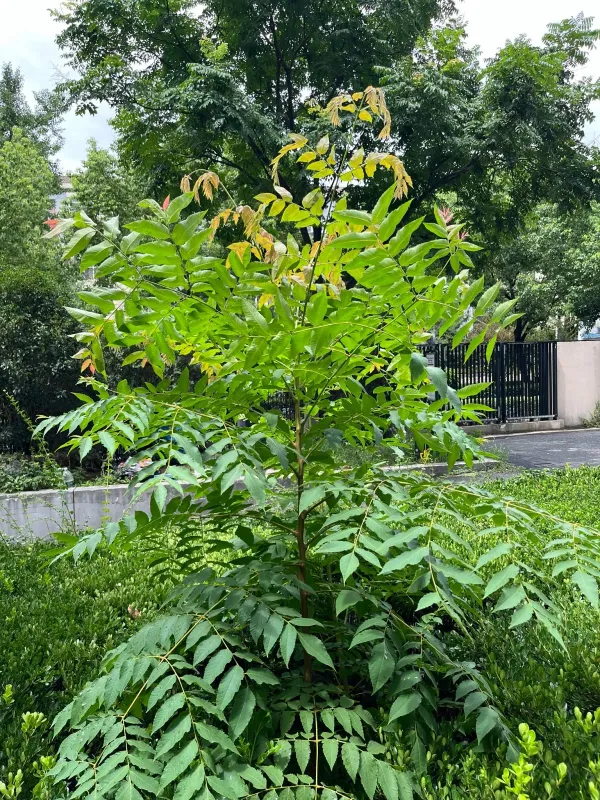
Description
Sowing dates
Propagation of the Chinese flame tree (Koelreuteria bipinnata) is primarily done through seeds, which require a cold stratification period of 2–3 months at temperatures between +1 and +5 °C to break dormancy.
Direct sowing in outdoor seedbeds is recommended in the fall, allowing natural winter stratification to take place. Spring sowing is also possible if seeds are pre-treated or stratified in a controlled environment.
Seeds should be planted at a depth of 1–2 centimeters. Consistent moisture in the seedbed is essential for successful germination, as drying out can lead to failure during the initial sprout development.
Cuttings can be taken from semi-hardwood stems during the summer. To improve rooting success, ensure the use of a well-draining rooting medium and cover with plastic to maintain high humidity.
Transplanting young trees to their permanent location is best performed in early spring after the risk of frost has passed, ensuring the root ball remains intact during the process.
Growing requirements
The Chinese flame tree belongs to the Sapindaceae family. It is a deciduous tree native to China, highly valued for its striking bi-pinnate foliage and vibrant, lantern-like seed capsules in autumn.
The species thrives in full sun and requires protection from harsh, drying winds. It is remarkably drought-tolerant once established, making it an excellent choice for urban landscapes and parkways.
It prefers well-drained, fertile, loamy soils with a neutral to slightly alkaline pH. Good drainage is critical, as stagnant water can lead to root rot and other physiological issues in the plant.
During the blooming season, the tree produces large, showy yellow panicles. This floral display not only enhances the visual appeal but also provides significant nectar for various pollinating insects.
While mature trees are relatively hardy, younger specimens benefit from mulching and winter protection in colder climates to prevent winter injury to the trunk and root system.
Main diseases and pests
Koelreuteria bipinnata is generally robust and free from serious diseases. However, in overly humid or stagnant air conditions, powdery mildew can occasionally manifest on the foliage.
Insect pests such as aphids and scale insects are the most common threats to the health of the tree. These pests target the sap, potentially weakening young shoots and affecting growth.
Regular maintenance, including proper pruning for airflow and monitoring for insect infestations, is essential for preserving the tree's health and aesthetic appeal throughout the growing season.
In cases of significant infestation, localized application of appropriate insecticides is recommended. Integrated pest management practices should be favored to protect beneficial insect populations.
Proper site selection—focusing on drainage and sunlight—remains the best preventative measure against most abiotic and biotic stressors that could impede the tree's development.
Harvesting
The primary use of the Chinese flame tree is in horticulture and landscape architecture. It is frequently planted as a focal point in residential gardens or as a street tree in temperate regions.
Seed capsules are harvested in late autumn when they have dried on the tree and turned a papery texture. They are collected for either nursery propagation or ornamental decoration.
After collection, the capsules are dried in a well-ventilated area until the seeds are easily released. Seeds should be stored in a cool, dry place to maintain viability for future planting seasons.
The tree is considered an excellent honey-producing plant. Its presence near apiaries is beneficial during the mid-to-late summer months when many other floral sources have ceased blooming.
Although not a primary timber crop, the wood is dense and durable. In some contexts, it may be utilized for small-scale woodworking projects or crafts due to its uniform and attractive grain.