
Goldenrain tree
Koelreuteria paniculata Laxm.
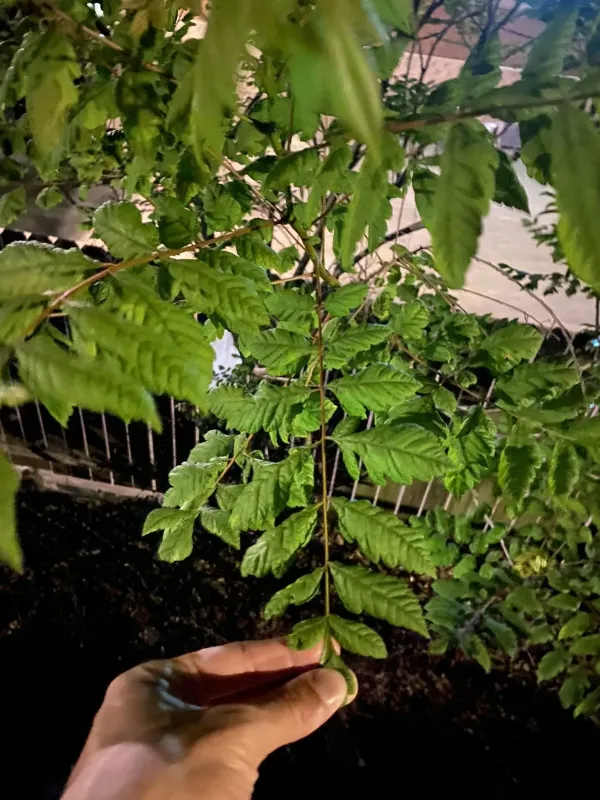
Description
Growing requirements
The Goldenrain tree (Koelreuteria paniculata) is a prominent member of the Sapindaceae family, native to East Asia, specifically China, Korea, and Japan. This deciduous tree is widely recognized for its spectacular yellow flowers and unique papery, lantern-like seed capsules that adorn the branches in late summer and autumn.
Botanically, it is characterized by its pinnately compound leaves that offer a delicate, fern-like texture to the canopy. The tree typically reaches heights of 10 to 12 meters, making it an ideal choice for urban landscaping and residential gardens where a medium-sized specimen tree is required.
Regarding climate requirements, the Goldenrain tree thrives in full sun exposure. It shows significant tolerance to heat and dry conditions once the root system is established. However, young trees require protection during harsh winters to prevent frost damage to the terminal buds and tender shoots.
Soil adaptation is one of the key strengths of this species. It can grow in a variety of soil types, including sandy, loamy, and alkaline soils. The critical factor for successful growth is excellent drainage, as the species is highly sensitive to waterlogged conditions, which can lead to root hypoxia.
Cultivation practices involve minimal maintenance beyond initial watering and occasional formative pruning. In urban environments, it is favored for its remarkable resistance to air pollution and moderate levels of soil salinity, making it a sustainable choice for street planting.
Main diseases and pests
The Goldenrain tree is generally considered a low-maintenance, hardy species, though it can occasionally be attacked by common garden pests. Aphids are the most frequent visitors, congregating on the succulent new growth and causing the leaves to curl.
Scale insects can also be a significant issue, attaching themselves to the bark and branches. These pests extract sap from the tree, which can lead to reduced vigor and the development of sooty mold on the honeydew they secrete.
Fungal diseases, such as leaf spot, may appear during prolonged wet weather conditions. To manage these, it is essential to promote good air circulation through the canopy by thinning out crowded branches during the dormant winter season.
Root rot is the most serious threat, usually associated with poorly drained soil. If the tree exhibits yellowing leaves and premature leaf drop, it is often a sign that the moisture levels in the root zone are excessive.
Monitoring the tree for signs of stress and applying integrated pest management techniques, such as the use of horticultural oils or systemic insecticides when necessary, will ensure the tree remains healthy and vigorous for years to come.