
Wurfbainia vera
Wurfbainia vera
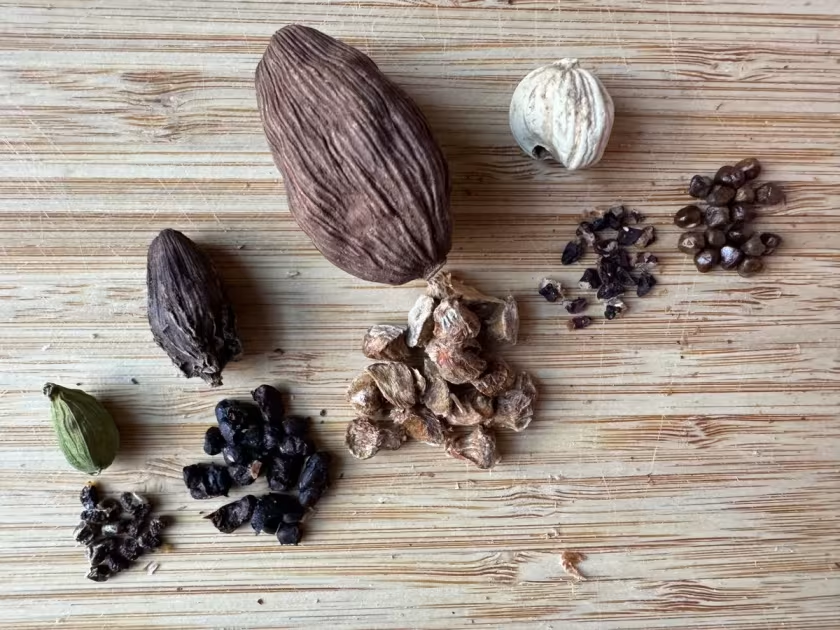
Description
Sowing dates
The propagation of Wurfbainia vera is primarily performed through vegetative means by dividing the rhizomes, which ensures the consistency of the plant's aromatic traits. The best time for planting is at the beginning of the rainy season when soil moisture supports rapid root establishment.
For seed-based propagation, sowing is carried out in specialized nursery beds using a well-draining substrate. Seeds require high temperature and consistent moisture to break dormancy and ensure high germination rates, reflecting their tropical origin.
Proper field preparation is essential, involving deep tillage to create a loose soil structure that allows the robust rhizome system to spread easily. Incorporating organic compost during preparation significantly enhances early plant vigor.
Spacing between plants should be maintained at 50 to 70 centimeters to prevent overcrowding and ensure adequate airflow, which is critical to reducing the incidence of fungal diseases within the dense canopy.
Implementing crop rotation is highly recommended to avoid the buildup of soil-borne pathogens. Wurfbainia vera should not follow other members of the Zingiberaceae family, as they often share similar pest and disease profiles.
Growing requirements
Wurfbainia vera is a tropical crop that requires stable temperatures ranging between 22 and 30 degrees Celsius. It is highly sensitive to cold stress, and frost can cause irreversible damage to the plant's vegetative parts.
High humidity and consistent soil moisture are vital for the plant's growth. In regions where rainfall is erratic, irrigation systems are necessary to maintain soil moisture without causing waterlogging, which could rot the rhizomes.
The ideal soil for cultivation is a fertile, well-draining loam or sandy loam with a neutral to slightly acidic pH. Rich organic matter content is beneficial, as it supports the nutritional needs of the developing underground parts.
Shade is a key environmental requirement, as the plant naturally thrives in forest understories. Excessive direct sunlight can scorch the leaves and dehydrate the root zone, making managed shade or intercropping with trees a common practice.
Balanced fertilization, particularly with potassium and nitrogen, is required to optimize both vegetative growth and fruit production. Careful monitoring of soil nutrient levels helps prevent deficiencies that could limit overall yields.
Yield
The productivity of Wurfbainia vera is cumulative, reaching its peak between the third and fifth years after establishment. As a perennial crop, the rhizome system continues to expand and strengthen, supporting more inflorescences over time.
The harvested product consists of fruit capsules containing aromatic seeds. Yield variability is often linked to seasonal weather patterns, particularly the timing and intensity of rainfall during the flowering and fruit-setting phases.
A well-managed plantation can remain economically viable for up to 8 years before productivity begins to decline. At that point, renovation of the field with new planting material is necessary to maintain quality standards.
Harvesting is labor-intensive and performed manually, as the fruit-bearing inflorescences are often located close to the soil surface. Workers must exercise caution to avoid damaging the rhizome mat during the collection process.
Improving yields relies heavily on precision agronomy, including optimized spacing, efficient water management, and the protection of the plant from pests, which collectively influence the quantity of harvestable capsules.
Main diseases and pests
Root and rhizome rot are the most significant threats to Wurfbainia vera, often triggered by waterlogged conditions or poor soil drainage. Pathogens such as Pythium and Fusarium are commonly associated with these rotting conditions.
Leaf spot diseases caused by various fungi can severely damage the foliage, reducing the plant's photosynthetic capacity. Field sanitation, including the removal of infected plant parts, is crucial for limiting the spread of these pathogens.
Nematodes pose a persistent challenge by attacking the root system, which hinders the plant's ability to absorb water and nutrients. Using pathogen-free planting stock is the most effective preventative measure against nematode infestation.
Sucking insects, such as aphids or spider mites, can become problematic during dry spells. Integrated pest management strategies, emphasizing biological controls, are preferred to minimize the chemical residue on the final spice product.
Overall, a preventative approach—combining good cultural practices, adequate spacing for ventilation, and regular monitoring—is essential to protect the plantation from significant disease and pest outbreaks.
Harvesting
Harvesting timing is critical to ensure the concentration of essential oils in the seeds. The fruit capsules are gathered when they reach their characteristic maturity, often indicated by a shift in color towards a lighter or yellowish tone.
Care must be taken to harvest at the right moment; harvesting too early results in low spice quality, while delayed harvesting leads to capsule splitting and the loss of seeds in the field.
Post-harvest processing involves immediate cleaning and drying of the capsules. Drying is performed in well-ventilated areas or specialized ovens under strict temperature control to prevent the degradation of the volatile aromatic compounds.
Moisture control is paramount during the drying phase to prevent the development of mold. The final product should be stored in airtight containers to preserve its aroma, flavor, and medicinal potency over time.
Proper packaging and storage in cool, dark environments are necessary to prevent the loss of quality. Ensuring the final spice is free from contaminants is a standard requirement for the global spice market.