
Kaempferia parviflora
Kaempferia parviflora Wall. ex Baker
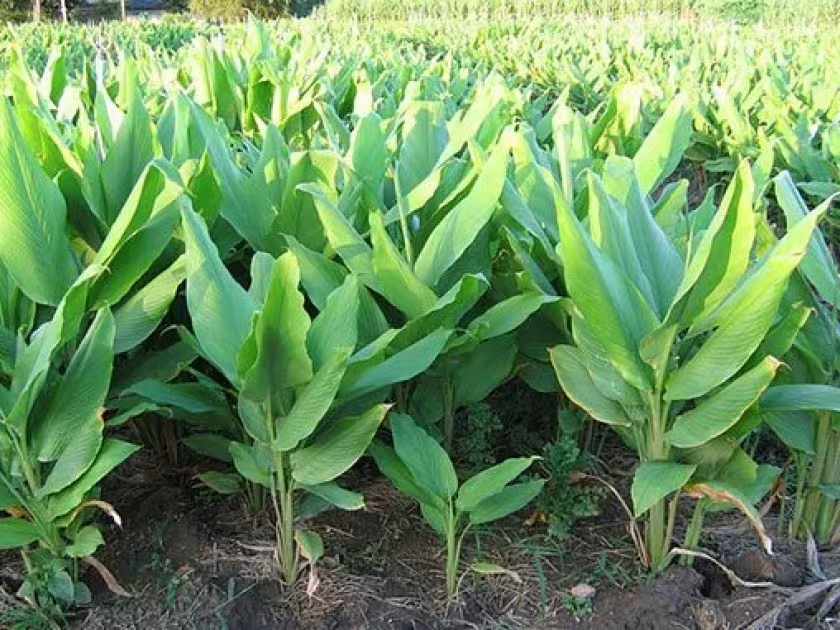
Description
Sowing dates
Kaempferia parviflora is primarily propagated through vegetative division of the rhizomes, ensuring each segment has at least one viable bud. The optimal planting time is at the beginning of the rainy season when soil temperatures reach 25-30 degrees Celsius.
Prior to planting, rhizome fragments should be kept in a shaded area or treated with root-stimulating hormones to encourage establishment. Planting depth should be maintained at 5-10 centimeters to protect the young sprouts from excessive heat and drying.
A row spacing of 40-50 centimeters is recommended for commercial production to facilitate proper aeration and maintenance. This spacing helps prevent the development of moisture-related diseases while providing enough room for root expansion.
Since the plant is sensitive to intense direct sunlight during its early stages, intercropping with shade-providing trees is a common practice. If grown in open fields, artificial shade cloths are often employed to maintain the required light intensity.
Irrigation management is critical during the rooting phase. While moisture is necessary for growth, the soil must be well-drained to prevent waterlogging, which significantly increases the risk of rhizome rot.
Growing requirements
Kaempferia parviflora, a member of the Zingiberaceae family, is a tropical perennial that thrives in high humidity and consistently warm environments. It requires stable temperatures, ideally above 20 degrees Celsius, for optimal rhizome development.
The crop demands loose, well-draining soil rich in organic matter. Heavy clay soils are unsuitable, as they restrict the growth of rhizomes and make harvesting difficult, often leading to lower yields and poor product quality.
Soil pH should range from 5.5 to 7.0 for the best nutrient availability. Incorporating high-quality compost or decomposed manure before planting is essential for providing the necessary fertility for a long growing season.
The plant is highly sensitive to cold; temperatures falling below 15 degrees Celsius can cause the plant to enter a premature dormancy phase, hindering development. Protected greenhouse cultivation is often necessary in temperate regions.
Light conditions should be kept at a moderate, diffuse level. Excessive exposure to direct ultraviolet radiation can lead to leaf burn and reduced metabolic activity, which in turn affects the quality and size of the harvested rhizomes.
Yield
The typical growth cycle for Kaempferia parviflora lasts between 8 and 12 months, depending on local climate conditions. During this period, the plant accumulates significant amounts of methoxyflavones in its rhizomes.
Yield depends heavily on consistent agronomic care, including proper fertilization schedules and weed management. Intensive farming practices can lead to significant increases in the harvested weight per unit of area.
Harvested rhizomes must be cleaned thoroughly to remove soil particles and debris. Careful handling during the post-harvest process is essential to ensure long-term storage and preserve the market value of the crop.
Crop rotation is a vital practice to maintain yield stability. Replanting Kaempferia in the same area too frequently can deplete specific soil nutrients and encourage the build-up of host-specific pathogens.
Using mulch helps regulate soil temperature and moisture, which contributes to higher final yields. It also assists in weed suppression, reducing the need for mechanical labor throughout the development of the rhizomes.
Main diseases and pests
Rhizome rot, caused by soil-borne fungi such as Pythium and Fusarium, is the most significant threat. These pathogens thrive in waterlogged conditions and can quickly decimate an entire plantation if not managed promptly.
Nematode infestations pose a severe risk by damaging the root system, which not only stunts growth but also creates pathways for secondary bacterial and fungal infections. Prevention through soil sterilization is key.
Pests such as aphids and leaf-eating insects can attack the foliage during peak growth periods. Regular monitoring and the application of biological pesticides help maintain a healthy plant population without environmental contamination.
Bacterial wilt is another difficult-to-control disease. Strict sanitation practices, such as removing infected plants immediately and disinfecting agricultural tools, are the primary methods for managing the spread of the disease.
Agricultural mismanagement, specifically poor drainage and over-crowding, creates environments that favor pest and disease outbreaks. Maintaining a clean field and proper airflow is essential for long-term crop health.
Harvesting
The harvest begins once the leaves turn yellow and start to die back naturally, indicating that the rhizomes have reached their full size and have accumulated a high concentration of active components.
Rhizomes should be lifted carefully using garden forks. Avoiding physical cuts or bruises is paramount, as any mechanical damage provides an entry point for post-harvest pathogens that can cause spoilage in storage.
Once harvested, the produce must be sorted to remove damaged or undersized rhizomes. High-quality rhizomes should have a dense, fibrous structure and a characteristic aroma, meeting industry-specific standards.
Drying is a critical post-harvest step. It should be performed in a shaded, well-ventilated area to prevent degradation of heat-sensitive compounds. High temperatures during drying can significantly lower the quality of the final product.
Finished dried products should be packaged in airtight containers and stored in a cool, dark, and dry place. This ensures that the medicinal and pharmacological properties of the rhizomes are retained for an extended period.