
Urumieh tulip
Tulipa urumiensis
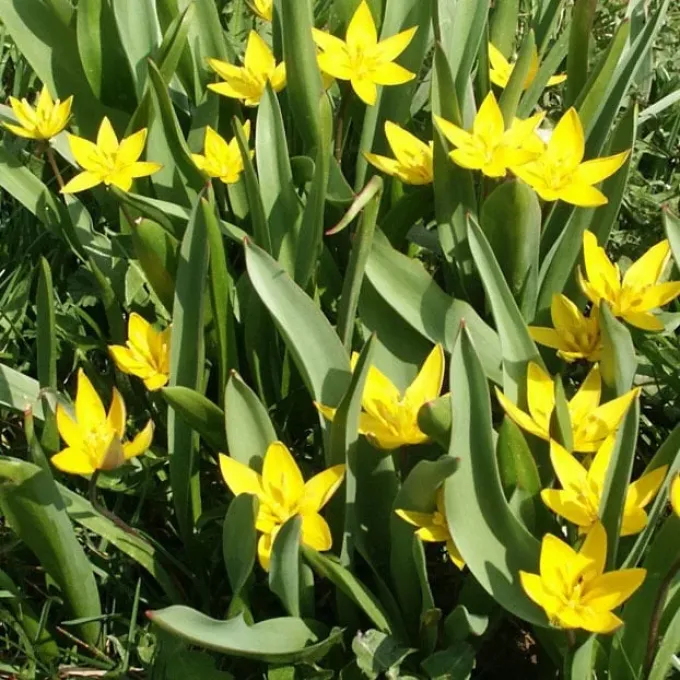
Description
Growing requirements
The Urumieh tulip (Tulipa urumiensis) is a member of the Liliaceae family and is highly regarded as one of the most resilient botanical tulip species. Native to the rocky slopes of northwestern Iran, this plant has adapted to withstand harsh conditions and thrives in well-drained, gritty environments.
This species requires a location with full sunlight exposure to ensure optimal blooming and to prevent the flower stalks from becoming weak or elongated. The soil must be loose, sandy, and neutral or slightly alkaline, mimicking the natural conditions of its native habitat in the Middle East.
The climate requirements for Tulipa urumiensis are quite straightforward as it is a cold-hardy plant capable of surviving freezing winters. However, the plant requires a distinct dry period during the summer months to ensure proper dormancy and healthy bulb development for the following year.
Agronomic care for this tulip involves minimal maintenance, making it perfect for rock gardens or naturalizing in borders. Because the bulbs are relatively small, they should be planted at a depth of about 8-10 centimeters, ensuring that the soil structure provides adequate aeration for root health.
The primary horticultural application of the Urumieh tulip is ornamental display in alpine gardens and rockeries. Its bright yellow, star-shaped flowers and compact habit make it a favorite for gardeners looking for early-spring color and a low-maintenance, perennial plant solution.
Main diseases and pests
Fungal infections, such as Botrytis, pose a significant threat to the foliage and blooms during periods of excessive rainfall. To mitigate this, it is essential to ensure proper site drainage and adequate spacing between plants to facilitate sufficient airflow throughout the spring growing season.
Fusarium basal rot is another concern that often affects bulbs stored under improper conditions or planted in waterlogged soil. Always choose clean, firm bulbs for planting and treat them with an appropriate fungicide if there is any evidence of damage or vulnerability to disease.
Pests such as tulip bulb aphids can weaken the plant by feeding on the sap, which in turn reduces the plant's vigor and bloom quality. Monitoring the plants regularly for signs of infestation is vital for maintaining the health of the tulip collection throughout the season.
Small rodents, particularly voles and mice, represent a major challenge for many bulbous plants during winter dormancy. Using hardware cloth or wire mesh cages around the bulb planting holes is an effective physical barrier to protect the bulbs from being consumed during the colder months.
Snails and slugs can cause significant damage to the emerging tender leaves in early spring. Employing organic slug controls, such as copper tape or physical barriers, can help preserve the aesthetic appeal of the tulip foliage until the plants have become more established and robust.