
Tulipa tubergeniana
Tulipa tubergeniana
Description
Growing requirements
Tulipa tubergeniana is a perennial bulbous plant belonging to the Liliaceae family. Originating from the mountainous regions of Central Asia, it is well-adapted to harsh environmental conditions.
The plant thrives in well-drained, rocky, or sandy soils with a neutral pH. It requires full sun exposure for optimal growth and high-quality flower production during the spring season.
A key biological requirement is the dry summer dormancy period. After flowering, the bulbs must remain in a dry, warm environment to ensure proper development for the next growing season.
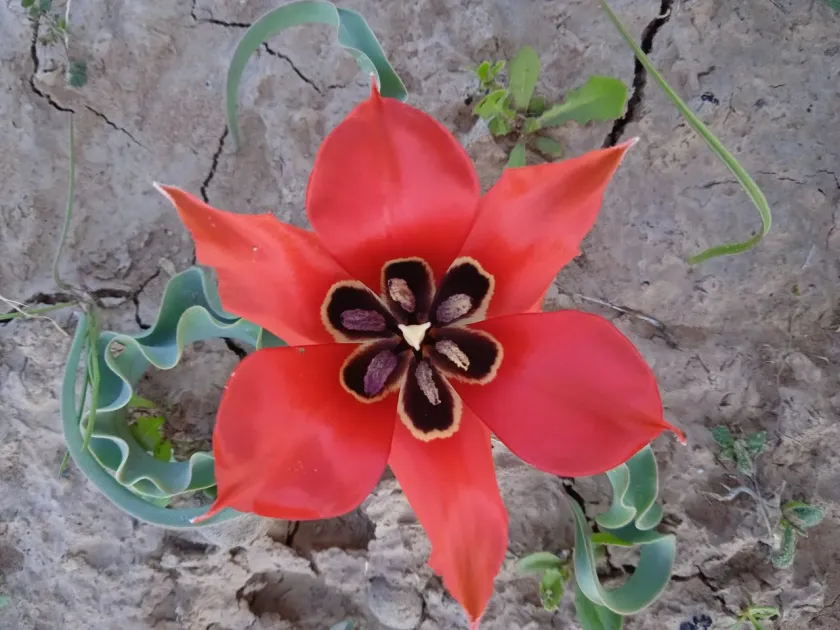
Botanically, it features broad, wavy leaves with a glaucous texture and a strong, upright stem. The striking red flowers, often with a darker basal blotch, are characteristic of this wild species.
Agronomically, this species is primarily valued in ornamental horticulture and as a genetic resource for breeding programs aiming to develop robust, cold-hardy tulip hybrids.
Main diseases and pests
Fungal diseases, particularly Botrytis blight (gray mold), pose a significant threat to Tulipa tubergeniana, especially during cool and humid springs. Proper spacing is essential to ensure air circulation.
Fusarium basal rot is another prevalent issue that affects the bulbs in poorly drained soil. Fungicidal treatment of bulbs before planting is a recommended practice to prevent infection.
Pests such as bulb mites and bulb flies can severely damage the root system and bulb tissue. Implementing integrated pest management strategies is crucial for maintaining plant health.
Aphids are significant vectors for viral diseases like the tulip breaking virus, which causes color streaks on the petals. Strict weed control and aphid monitoring are necessary to prevent outbreaks.
Small mammals, such as voles, frequently target the bulbs during the dormancy period. Using physical barriers like underground wire mesh is an effective way to protect the crops from these pests.