
Tulipa systola
Tulipa systola
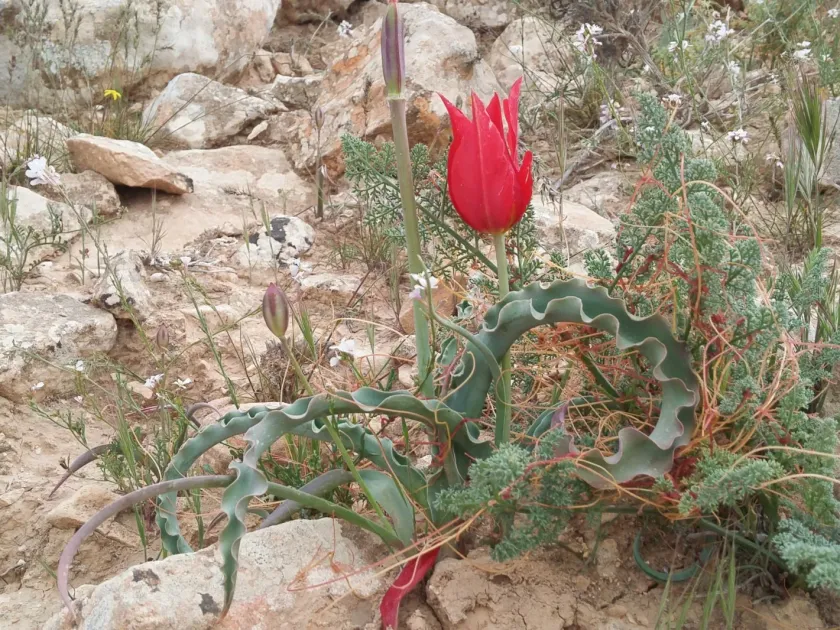
Description
Growing requirements
Tulipa systola is a wild-growing member of the Liliaceae family, known for its resilience and unique adaptation to the arid climates of the Middle East. It serves as a significant biological resource within the genus.
The native distribution area spans through Iraq, Iran, Turkey, and Syria, where it typically inhabits rocky slopes and steppe-like environments. This geography dictates the plant's physiological needs for a distinct dry dormancy period.
To cultivate this species successfully, growers must ensure excellent soil drainage. The plant thrives in alkaline, sandy, or stony substrates that effectively prevent moisture accumulation around the bulb.
Climate requirements involve full exposure to sunlight and a Mediterranean-like seasonal rhythm. The bulbs require high temperatures during the summer rest phase, which is critical for the development of the following year's flowering cycle.
Proper planting depth is essential, usually ranging from 10 to 15 centimeters, depending on the bulb size and soil texture, to protect the plant from extreme temperature fluctuations in the substrate.
Main diseases and pests
Fungal infections are the primary concern for Tulipa systola, especially in temperate zones with humid summers. Grey mold (Botrytis tulipae) is the most prevalent disease affecting both foliage and blossoms.
Fusarium basal rot poses a severe threat during storage. If bulbs are not dried properly after harvesting or are kept in high-humidity conditions, the infection can destroy the entire stock very quickly.
Pests such as the tulip bulb aphid and the bulb mite can cause significant physiological stress, often acting as vectors for viral diseases that result in color-breaking and plant stunting.
Integrated pest management includes soaking bulbs in systemic fungicides before planting and maintaining a clean, well-ventilated storage environment for dormant bulbs.
Strict sanitation protocols must be followed to avoid the spread of soil-borne pathogens. Removing and destroying affected plants is necessary to protect the surrounding healthy crop from rapid contamination.